
Jam Salazar | September 27, 2019
Some of us grew up with the saying “knowledge is power” popularized by Ernie Baron, the late broadcaster known for being the country’s resident weatherman. The younger generation though is more familiar with Nathaniel “Mang Tani” Cruz, one of today’s popular names in the field of weather reporting and meteorology. Probably for most of us, this is as far as weather information goes ー listening to weather forecasts on radio and television.
However, long before the age of television, radio, social media, and the Internet, meteorology, and weather forecasting have already existed. While technology helps us better understand weather patterns, ancient civilizations have already applied weather knowledge to everyday life including navigation and agriculture.
Gods and goddesses
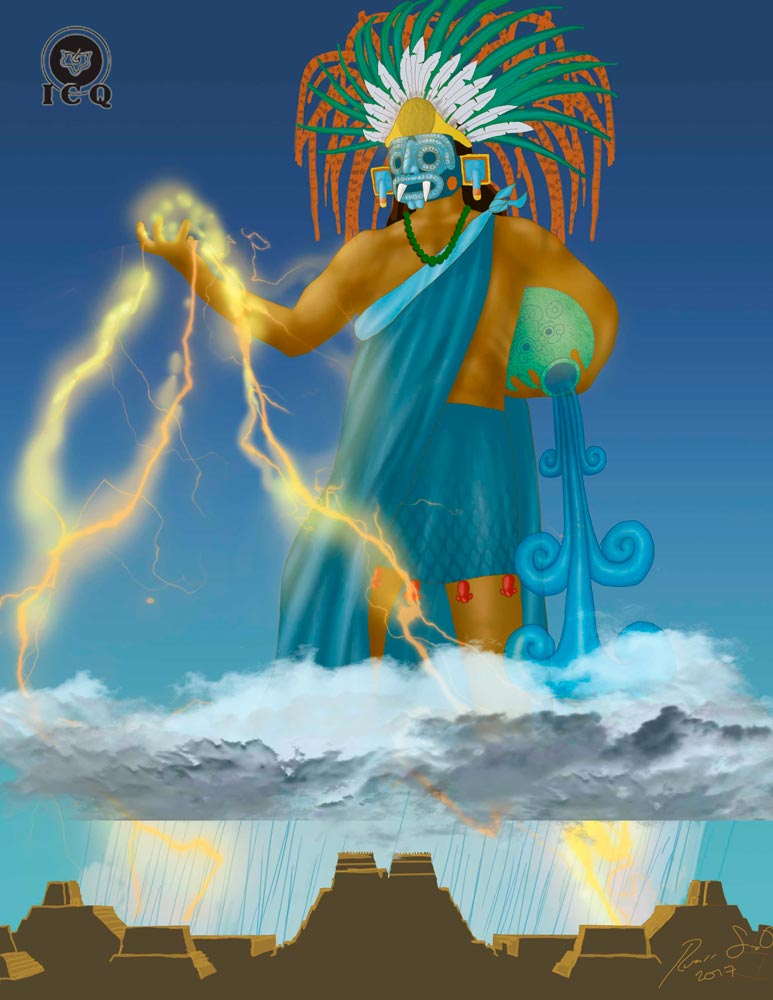
In ancient cultures, weather patterns have been associated with deities or supreme beings, thus, good or bad weather could mean either a blessing or a curse cast upon those who are on earth. Earlier civilizations have specifically put importance on rain gods and goddesses, as rain highly influenced agriculture and construction at the time. There were Tlaloc (Aztec), Set (Egyptian), and Indra (India), as well as Thor (Norse), Zeus (Greek), and Shango (Yoruba), who were some of the gods associated with rain, thunder, and lightning.
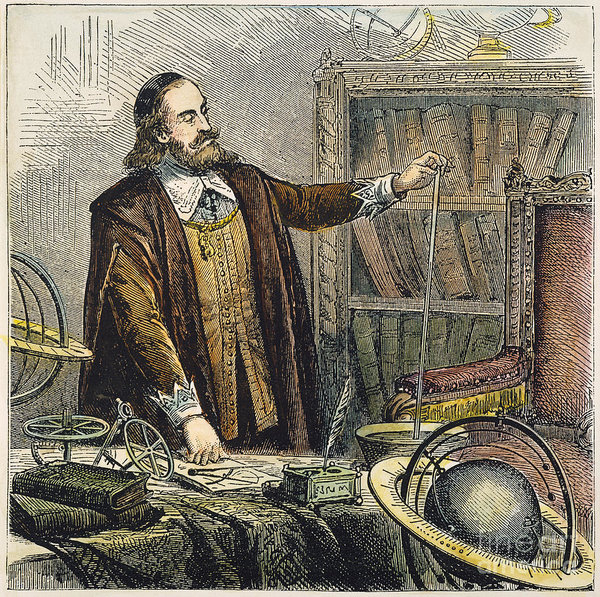
As time progressed and more innovative equipment for measuring weather were developed, weather forecasting became more and more accurate. A pivotal moment was in the 17th century when the thermometer (temperature) and the barometer (air pressure) were invented. In the 18th century, Isaac Newton explained the science behind gravity, motion, and thermodynamics and, later on, his work became the jumping-off point of the science of meteorology as we know today.
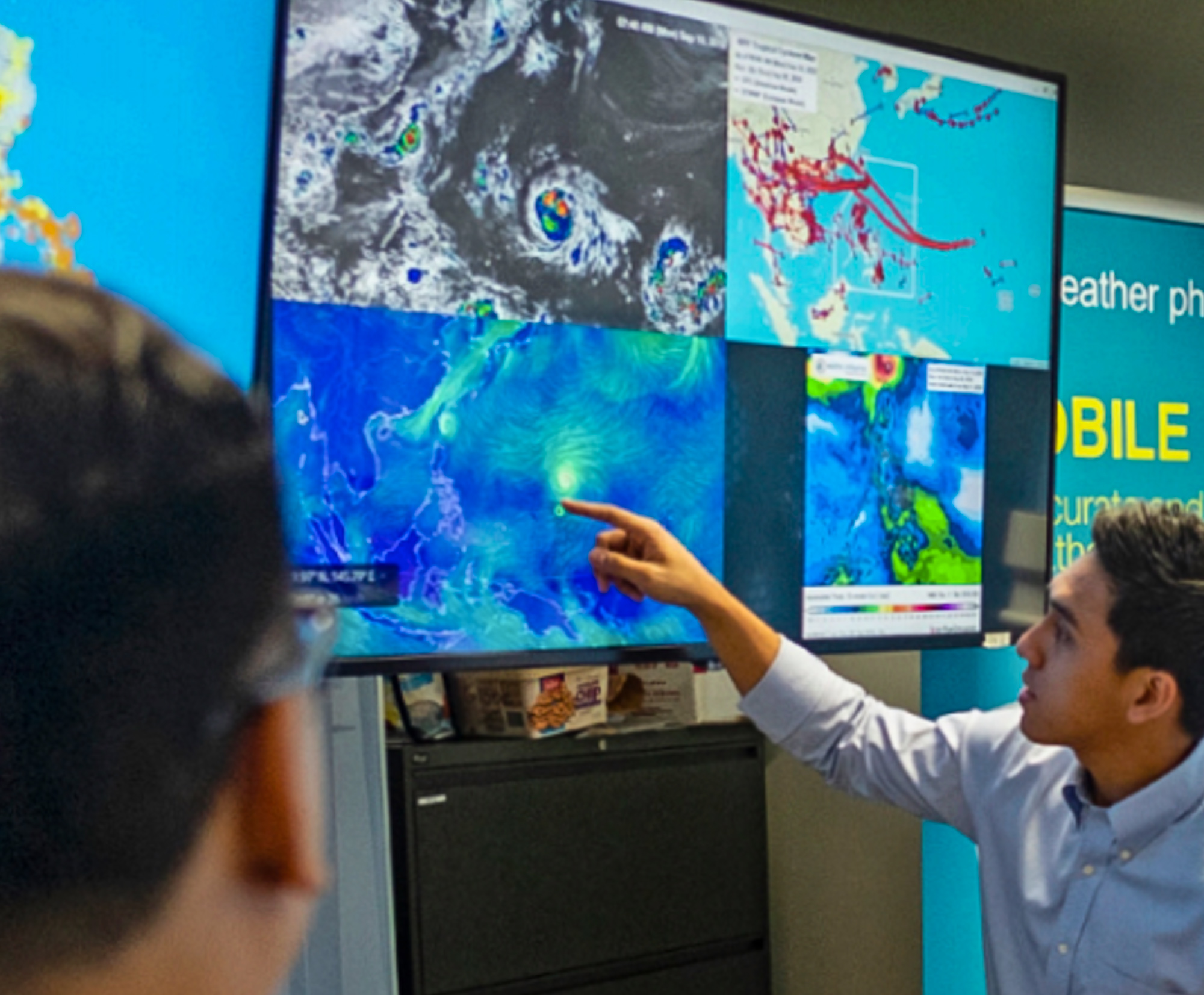
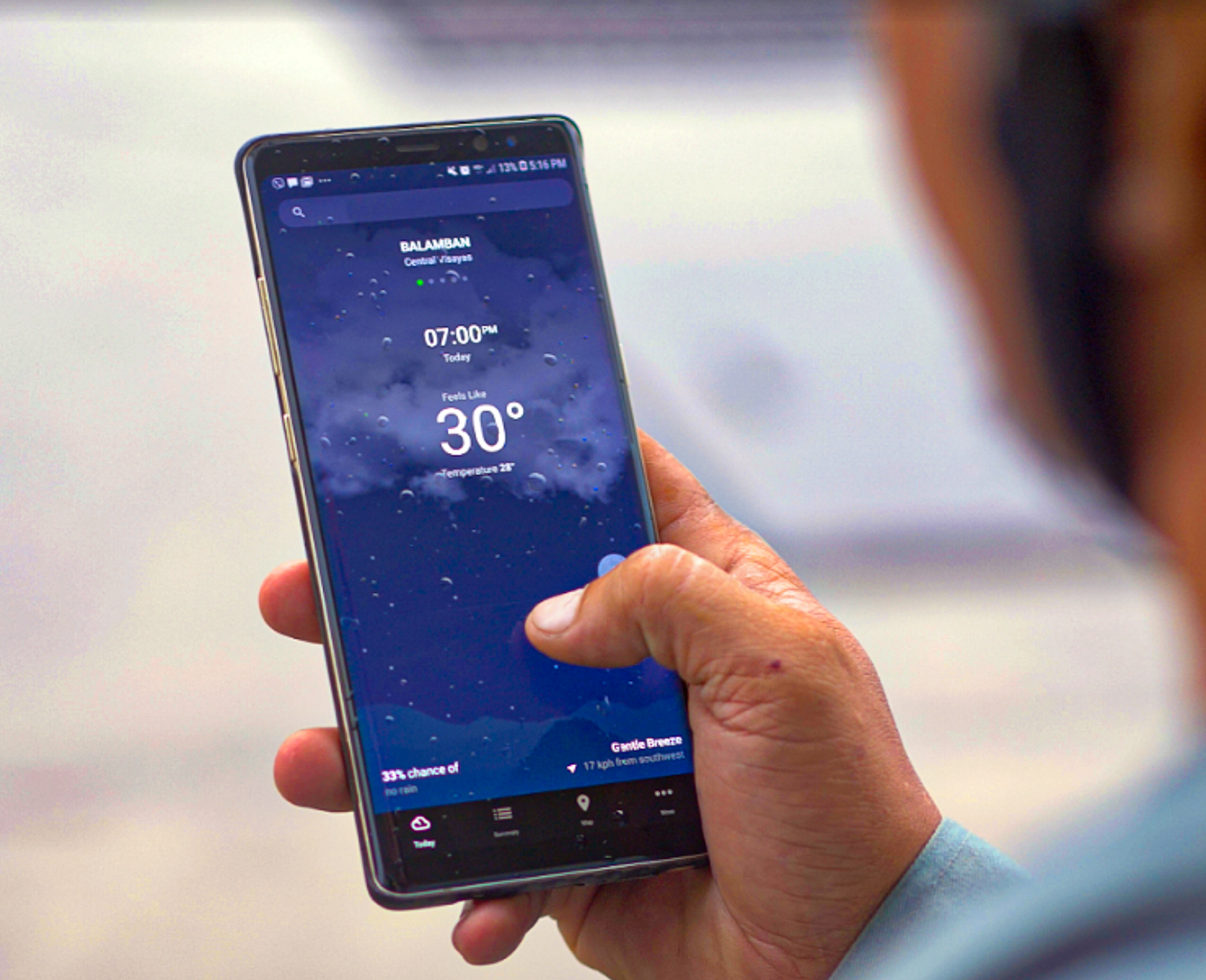
Nowadays, public and private weather providers use tools such as a weather station, which is a facility used to observe and forecast the weather. WeatherPhilippines Foundation has more than 700 automated weather stations (AWS) deployed all over the Philippines. Each AWS records a location’s rainfall, wind speed and direction, temperature, air pressure, humidity, and solar radiation. The data gathered from each AWS is processed and the information is reflected in our different channels such as the WeatherPhilippines Foundation website and the WeatherPH mobile app. While there are automatically-generated and processed weather information, we also have weather reports analyzed and reviewed by in-house weather specialists.
Modern tools, more accurate readings
By knowing the different atmospheric conditions, meteorologists are able to make more accurate forecasts for the coming hours, on a day-to-day basis. However, to be able to make more accurate calls, they need a highly reliable network of tools that will read and record different weather parameters.
The atmosphere is a complex system that constantly changes so it is impossible for meteorologists to have 100% accuracy rating.
As the country is known for highly unpredictable weather, these developments in the field of meteorology helped in creating a more disaster-resilient Philippines. Timely weather information is proven to be beneficial across different sectors and industries and has helped in saving lives and livelihoods.
Whether you are in a weather disaster-prone area or not, it is best to consult reliable weather information from different weather sources such as the state weather bureau and private weather providers like WeatherPhilippines. Gone are the days of fully relying on the power of rain gods and goddesses; it’s time to be #WeatherWiser!