

By Gail Paras
What if every conversation became an opportunity to help someone grow?
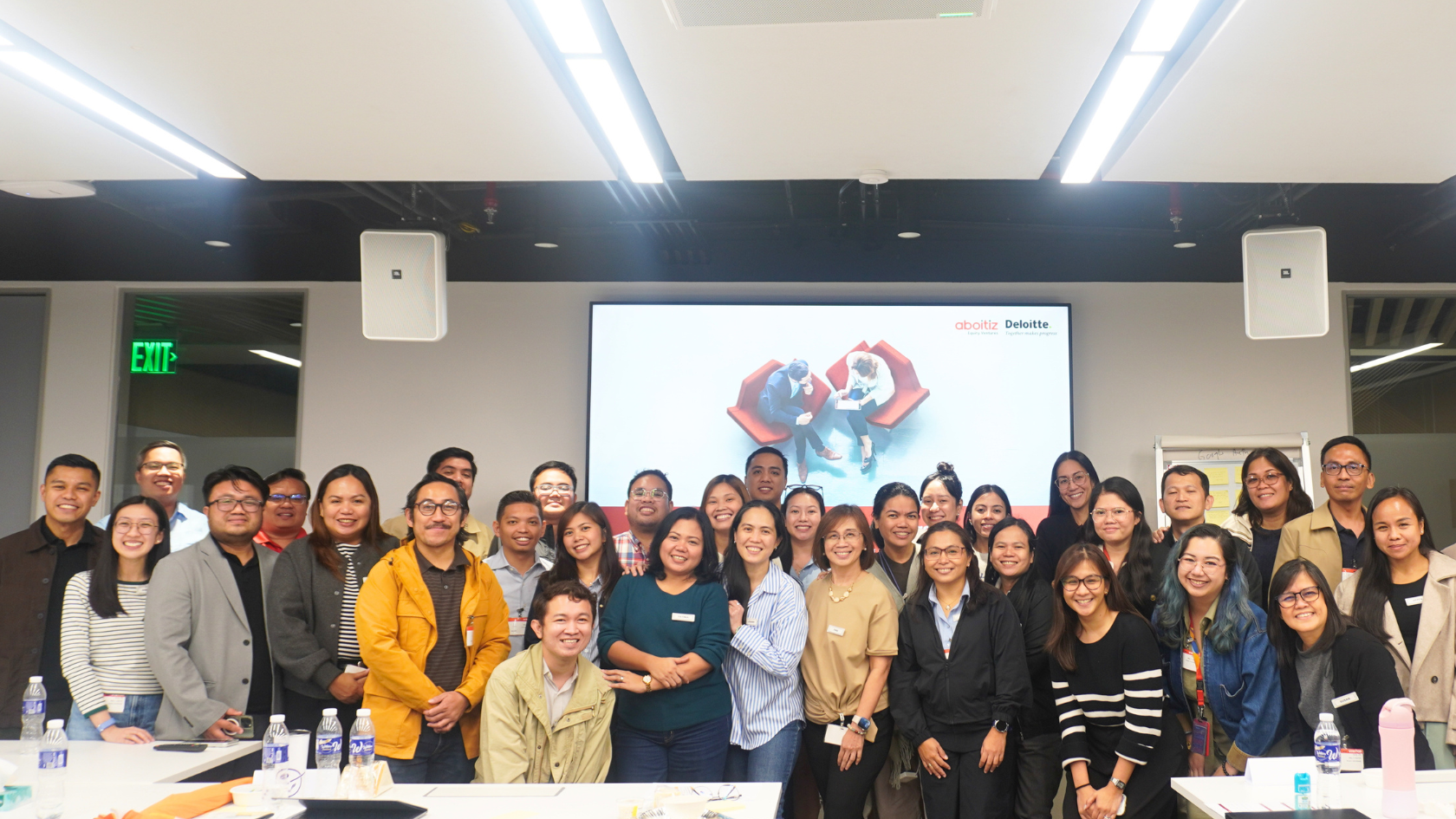
For 33 People Managers across AEV, that question became the focus of Aboitiz Academy’s development program on “Leader as a Coach”, held on July 28-29, 2026.
The two-day program, in partnership with Deloitte, was designed to strengthen leaders’ practical coaching skills that will support team members’ performance, growth, and continuous development. More importantly, it encouraged leaders to see coaching not as a separate activity reserved for performance reviews, but as an everyday conversation practice.
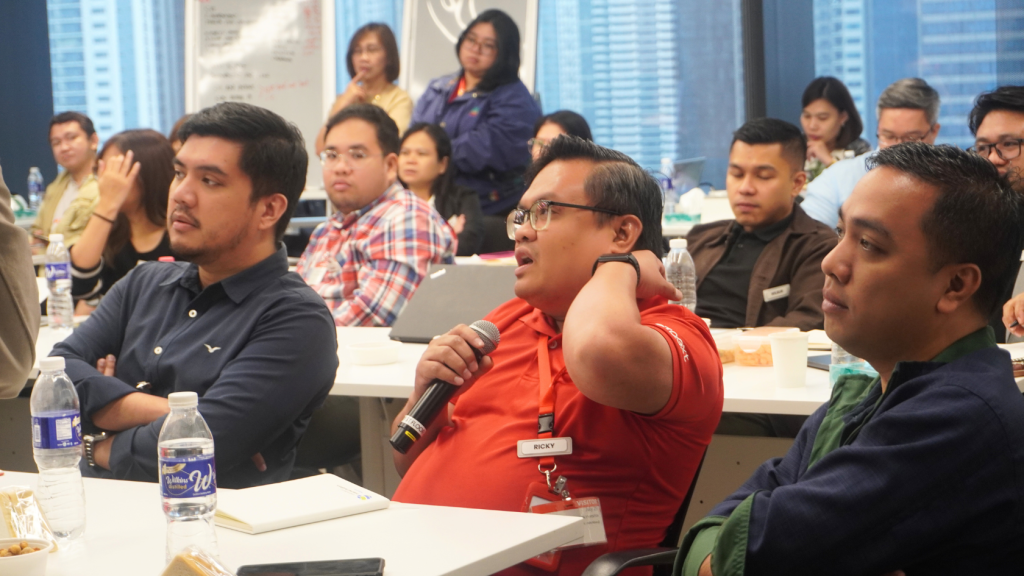
The learning journey was built around three key outcomes: building clarity, capability, and conviction. Built with experiential learning at its core, participants developed these through role plays, scenarios, reflection, and feedback.
Participants first gained a deeper understanding of their role as a coach and how coaching can be integrated into everyday leadership. They then strengthened their coaching toolkit through practice and learning techniques they could immediately apply with their teams – from asking thoughtful questions and listening with intent to facilitating meaningful conversations that encourage accountability and action.
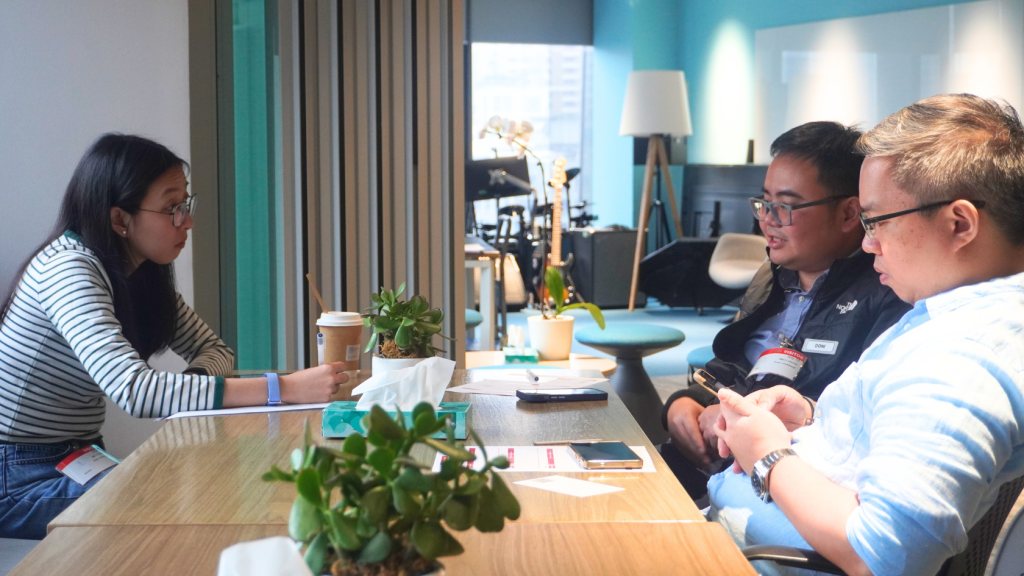
One of the highlights of the program was experiencing coaching from multiple perspectives. Through interactive coaching exercises, participants took turns as coach, coachee, and observer. Experiencing each role deepened their understanding of what makes coaching conversations effective and how different perspectives contribute to learning.
“We’re building a team, and coaching plays a vital role in that journey. It’s not about changing people into someone they’re not—it’s about creating conversations that help them grow and bring out their best.“
– Lloyd Revilla, Media Relations Manager (participant)
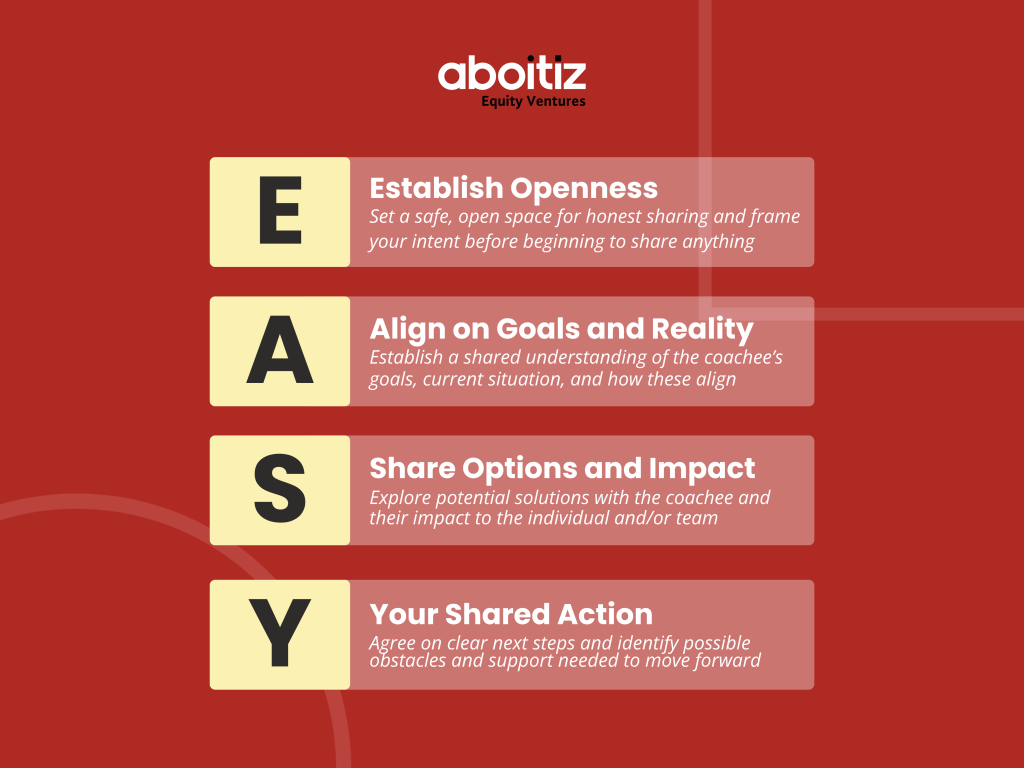
Using the E.A.S.Y. Conversation Guide, participants practiced structuring coaching conversations by establishing openness, aligning on goals and reality, sharing options and impact, and agreeing on shared actions.
The program also introduced practical feedback techniques, including SBI (Situation, Behavior, Impact) + EBI (Even Better If), enabling leaders to recognize strengths while framing opportunities for improvement in a way that supports continued growth.
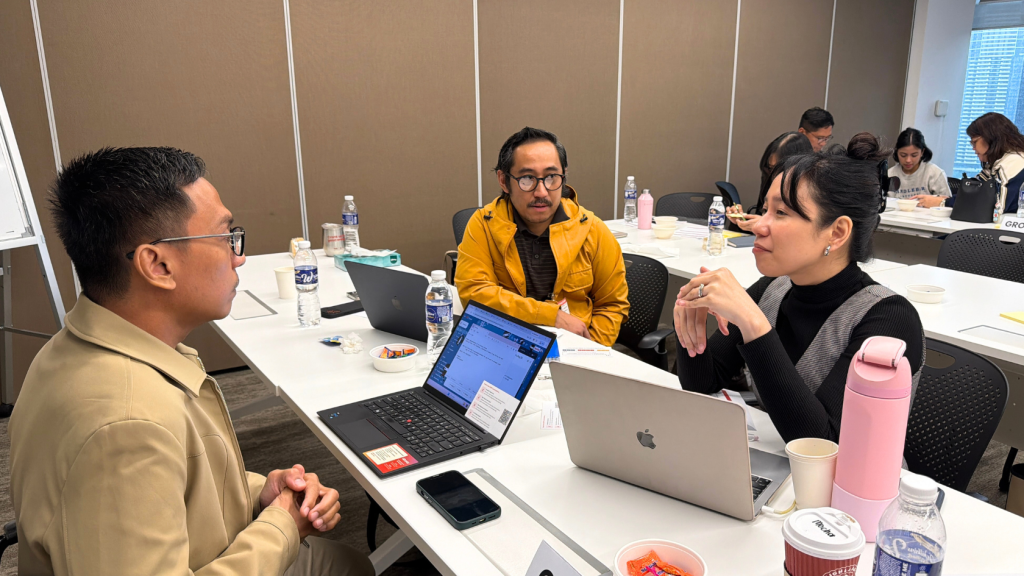
The program reinforces a simple but powerful mindset: great leaders don’t have all the answers – they ask better questions. By embedding coaching in the flow of work, leaders create opportunities for team members to build confidence, strengthen accountability, and make meaningful progress toward their goals.
“There is no one-size-fits-all approach to coaching. It is a dynamic practice that requires leaders to adapt a structured coaching style to the unique situation and ever-evolving needs of each coachee.”– Ricky Alcovendas, Internal Audit Manager (participant)
“One of my biggest takeaways is that coaching isn’t a standalone activity — it’s a habit we should build every day. As a coach, I realized the importance of fully supporting my coachee and creating the space for their continuous development. In doing so, I also become a better leader.” – Andrew Quisumbing, Learning and Development Officer (participant)
The program concluded with leadership commitments. The conversations started during the workshop are intended to continue beyond the learning program through regular check-ins, timely feedback, and intentional coaching conversations.
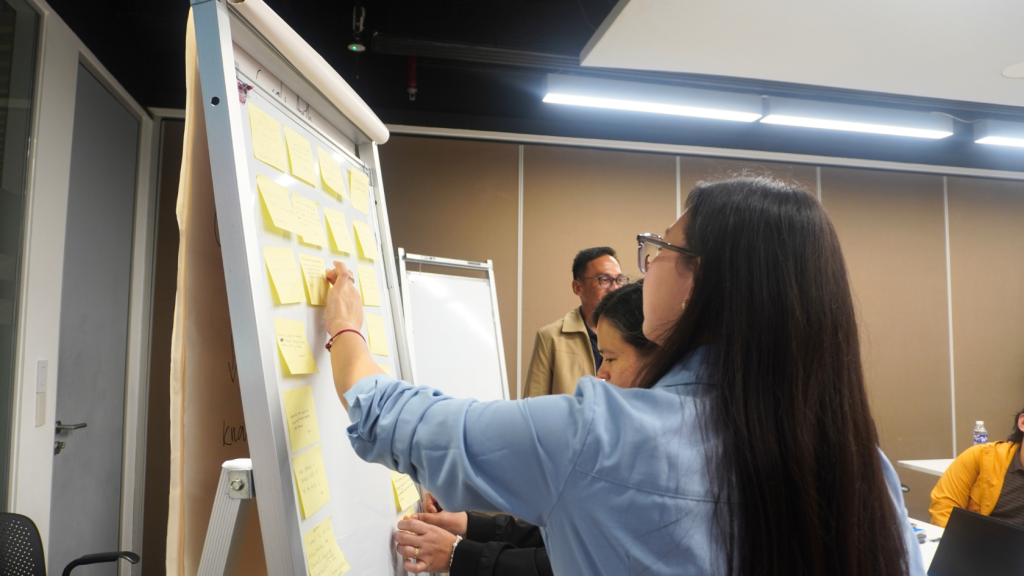
The Leader as a Coach program marks another step in AEV’s commitment to building a stronger coaching culture – one where leaders purposely develop team members, enabling them to perform, grow, and thrive.