

The Philippines ranks third in natural disaster risk, according to the World Risk Index. This is no surprise because not only are we visited by numerous typhoons yearly, we are also located in the Pacific Ring of Fire, an area where a large number of earthquakes and volcanic eruptions occur. Cognizant of this risk, the AEV Risk Management Team launched a series of training sessions last November that aims to raise team member readiness in the event of an earthquake caused by the Philippine West Valley Fault.
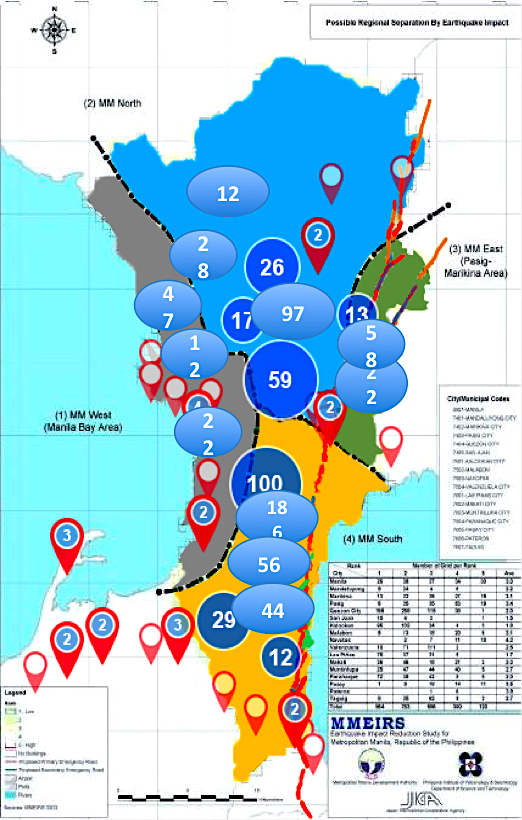
The workshops are facilitated by Foresight Life Resilience Corporation. Speaking at the seminars, Lt. Commander Ferdinand “Dino” Juan, PN (GSC) (RES) began by sharing the key findings of the Study of the West Valley Fault System conducted jointly by the Japan International Cooperation Agency (JICA) and the Australian Aid. The West Valley Fault, a 100-kilometer active line, is part of the longer Valley Fault System. It has moved four times in the last 1,400 years following a cycle every 400 years. The last major earthquake generated by this fault was in 1658, or 357 years ago. This means the metro is already due for the next big quake.
The more important key takeaway of the seminar is the extensive preparation that each team member should do together with his orher family.
• Have well-stocked first aids kits, emergency food and water supplies, and equipment. This may prove a lifesaver in case of injuries or a prolonged crisis.
• Reserve cash for contingencies. There is no way to anticipate all the potential dangers and having cash on hand can serve many purposes.
• Stock up on supplies in your go bags. A stockpile that will last for weeks is recommended. Rotate supplies to prevent food items from expiring. Each member of the family should have his or her own go bag. Keep them in easy-to-find places in the house.
• Have an alternate evacuation location. Finding a primary and secondary evacuation location is critical. This can be outside of Metro Manila, or places that move out from the fault line. Food and essential supplies should also be stocked there.
• Practice responding to emergencies. Have regular fire and earthquake drills. Not only will each person know what to do during these situations, but this will also greatly reduce panic, which is the most fatal reaction in an emergency.
• Keep identification cards at all times. IDs with complete details such as contact numbers, blood type, and nickname should be included. Keep large photographs of your family members to help you locate them in evacuation centers or during search-and-find situations.
• Finalize your Family Evacuation and Reunification Planner. This is a customized form distributed after the seminar that includes a list of the evacuation party (family members), reunification point, and evacuation destinations.
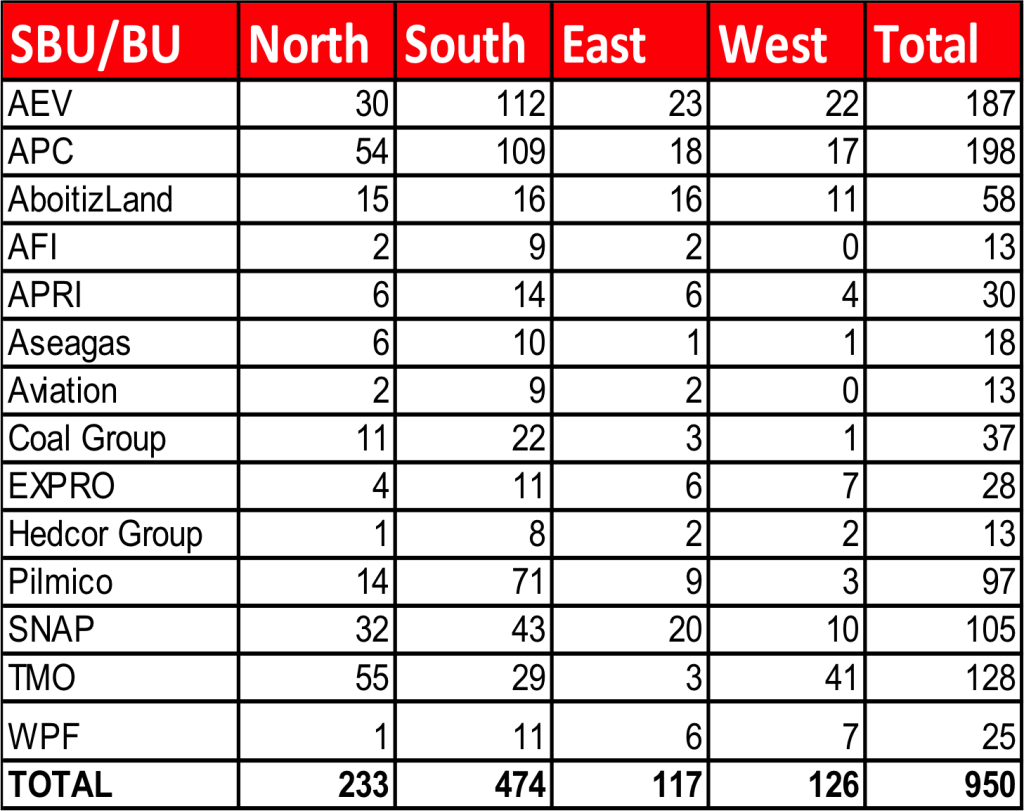
The first run was held in AEV while subsequent runs are scheduled for the rest of the business units. This initiative is one of the five key strategies of the West Valley Fault Earthquake Self-Resiliency Business Continuity Plan for team members.