

For every Filipino, the dream of a comfortable home has always been anchored in family. But today, that dream is being tested by a world in flux.
As the ongoing conflict in the Middle East continues to disrupt a major shipping route and destabilize global markets, the ripples are felt right here at home — most acutely in fluctuating fuel costs and the pass-through in monthly electricity bills.
The Philippines consists of more than 26 million households, most of whom are already paying for the second most expensive electricity in Southeast Asia. This is in part due to the fact that the Philippines does not subsidize its electricity, unlike many of its neighbors in Southeast Asia.
With the rising technological transition to more decentralized electric power systems, residential solar holds enormous potential for Filipino households looking to take control of their energy needs and reduce costs in their electricity bills.
But while the benefits are clear, the path to large-scale adoption hasn’t been easy.
Challenges to adoption
Globally, the cost of generating solar electricity has fallen by 90% since 2010, from $0.46 to $0.044 per kilowatt hour (kWh), according to the International Renewable Energy Agency, due to technological progress, manufacturing scale, and global competition. In contrast, the rate of the Philippines’ top electric power distributor has risen by 57% in just four years, from P8.56 per kWh in 2021 to P13.47 per kWh today.
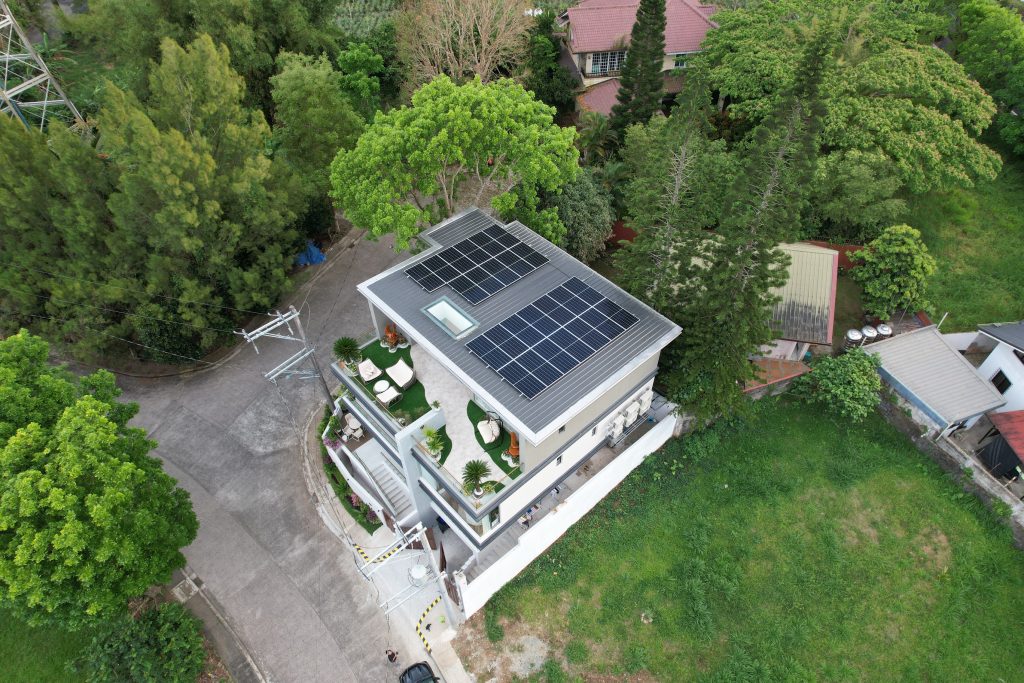
Data from the Energy Regulatory Commission showed that, as of March 2026, there are over 22,000 customers from Luzon, Visayas, and Mindanao who adopted solar photovoltaic (PV) technology and even exported surplus power generation to their distribution utility, hence realizing rebates and savings under the Net-Metering Program.
But according to a study conducted by the Ateneo de Manila University, there is still low adoption of solar PV technology in the Philippines due to its high upfront cost and a lack of public awareness. From its survey of 430 respondents, 82% expressed interest in adopting solar panel technology but only 20% had “firm intentions” of pushing through.
“While most survey respondents said they understood the broad concept of renewable energy and its role in addressing climate change, few were aware of the specific advantages of [rooftop solar power] and how to access reliable installation services,” Ateneo explained. “Concerns over the quality of materials, maintenance needs, and provider credibility also added to their reluctance.”
“Respondents said that the trustworthiness of providers, clarity on warranties, and the perceived quality of the installations themselves were just as important considerations as cost, if not more so,” it added.
It is clear that installing solar panels meant shouldering a huge upfront cost, often requiring trust and patience before there is a return on investment.
One big expense… into smaller, manageable monthly payments
A new generation of solar power companies are working to bridge the gaps, introducing solutions that can help maximize the benefits of solar PV for Filipino homeowners.
Solviva Energy, a company under Aboitiz Power Corporation, has helped address this barrier to accessibility, doing away with the lump sum and offering a rent-to-own model. Solviva rolled back its prices for a limited time (until May 31, 2026), with monthly payments for a 5 kilowatt-peak system — previously P7,800 — now starting at just P7,089. Larger system sizes are also available for bigger homes and higher electricity bills.
At zero upfront cost, homeowners pay P0 down and their first payment only kicks in 30 days after installation — by then, the savings from solar are already helping cover it.
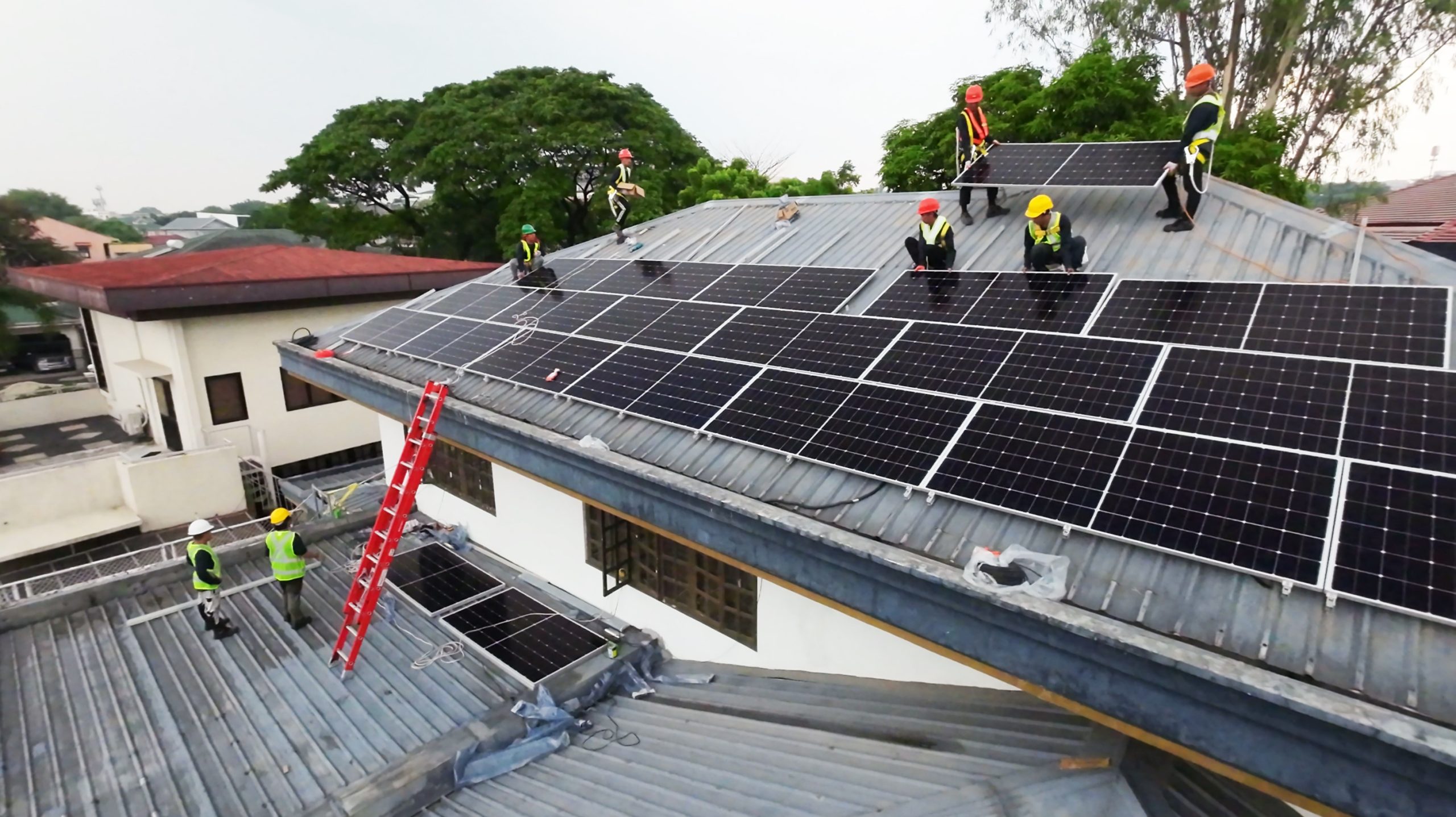
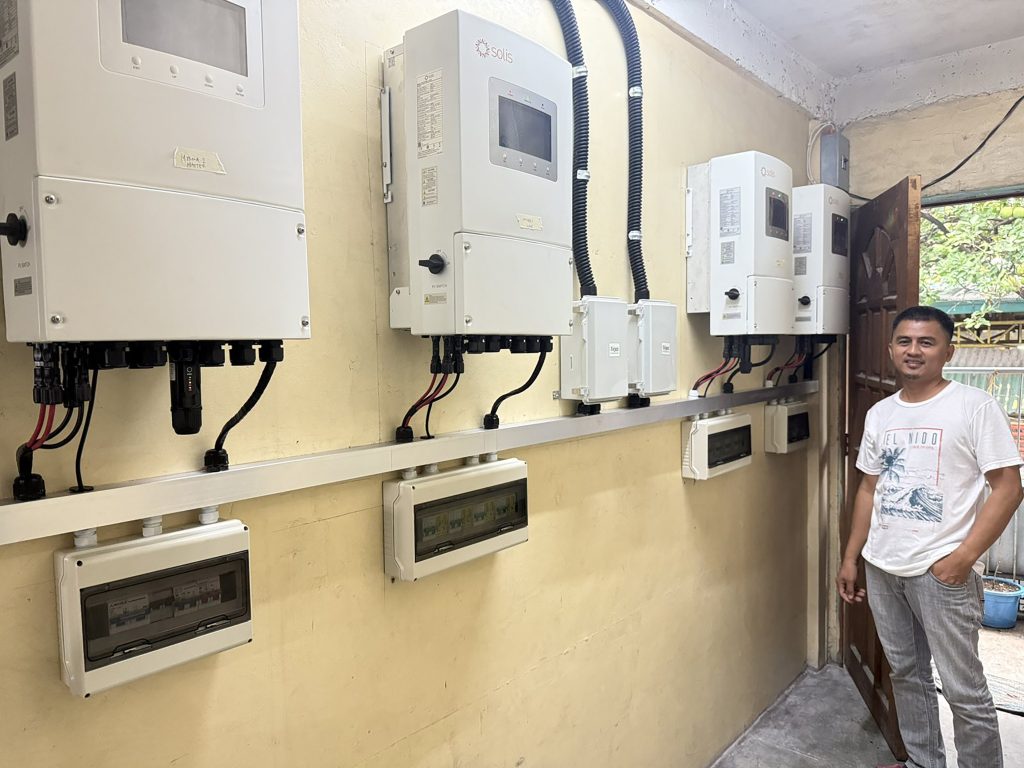
Solviva handles everything, from home assessment and custom system design to installation and energization, usually completed within days of approval. After installation, every Solviva customer gets after-sales support for the life of their system.
Solviva uses only Tier 1 solar panels and equipment — the same standard used by the world’s largest energy developers, rated to perform for 30 years.
Customers on the smallest system save an average of 30% to 50% a month on their electricity bill — with savings starting from day one and a full payback period of three to five years. Over the life of the system — which typically lasts ~25 years — that’s decades of protection against fluctuating rates.
For Filipino families, the home is a sanctuary. Yet unpredictable global fuel costs and expensive electricity continue to challenge that peace of mind. Even so, the sun continues to rise over the Philippines every single day.
While the journey to widespread adoption has its hurdles, there is a developing path to greater consumer choice. Solutions to energy efficiency and conservation are becoming more and more accessible, serving as a front-line defense to bill shock in the long run. Under Solviva’s model, adopting solar PVs gives homeowners predictable costs and a pathway to true ownership. Filipino families can finally redirect what used to go to electricity bills into something that’s theirs.
For more information on Solviva Energy, please visit their website: http://www.solvivaenergy.com