

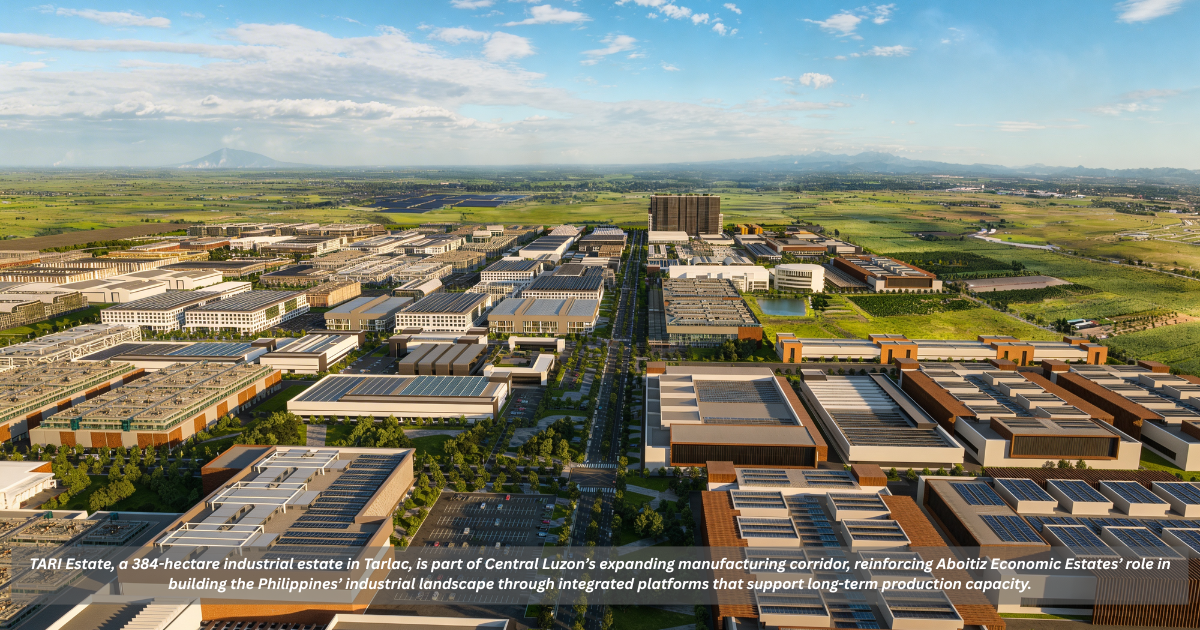
Aboitiz Economic Estates is moving TARI Estate toward operational readiness, with the first 200 hectares of the 384-hectare industrial estate expected to be ready by Q2 2026. The milestone will add new integrated industrial capacity to Central Luzon as manufacturing growth expands beyond established southern corridors.
The initial phase will establish TARI Estate’s operating footprint ahead of early anchor locators including Ajinomoto Philippines Corporation and Coca-Cola Europacific Aboitiz Philippines. Key site works, access infrastructure, and on-site government support facilities are also being advanced to support future locator operations.
Industrial growth in the Philippines has long concentrated around mature corridors in South Luzon, where manufacturing ecosystems, infrastructure networks, and workforce communities have developed over decades. As demand for industrial space continues to grow, activity is increasingly extending northward into areas capable of supporting long-term production capacity, logistics requirements, and future expansion.
In Central Luzon, TARI Estate is being positioned to support this shift by introducing a new industrial platform backed by coordinated planning, scalable infrastructure, and estate operations discipline.
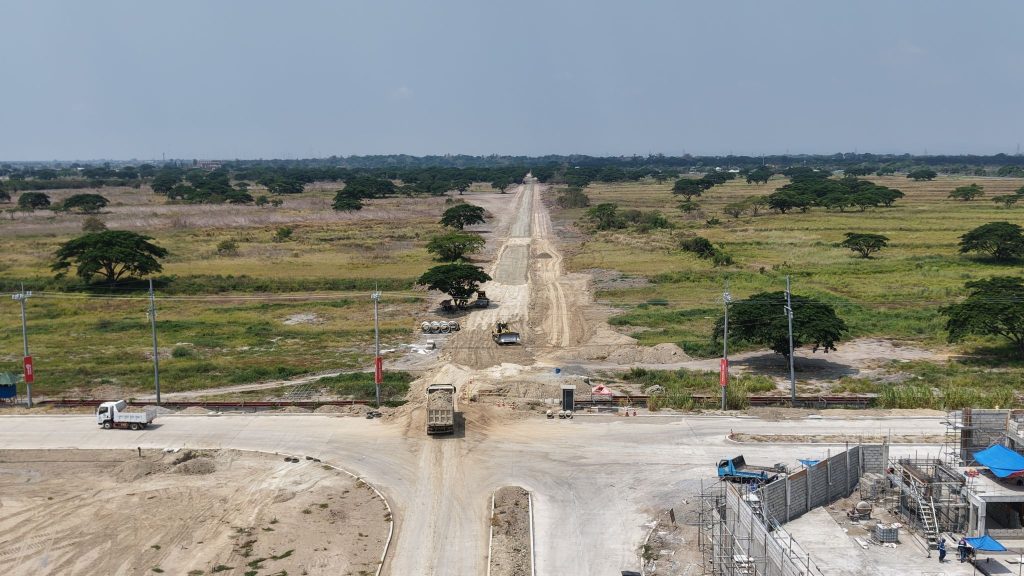
Advancing TARI Estate’s Initial Operating Footprint
Development activities currently underway reflect the foundational systems required to support future locator operations. Within the second quarter of 2026, the Phase 1 perimeter fence covering 90 hectares will be completed, securing the initial operational footprint of the estate.
TARI Estate’s South Access Road is also expected to commence operations, creating direct entry into the estate and improving movement for construction activity, logistics, and early operational flow across the site.
At the main entrance, key site works will establish the estate’s primary entry point and define access into the 384-hectare industrial core as development progresses into its next phase.
By Q3 2026, operations of the PEZA-BOC Complex within the estate are scheduled to commence, supporting locator processing requirements and facilitating coordination for government permits and clearances as business activity expands within TARI Estate.
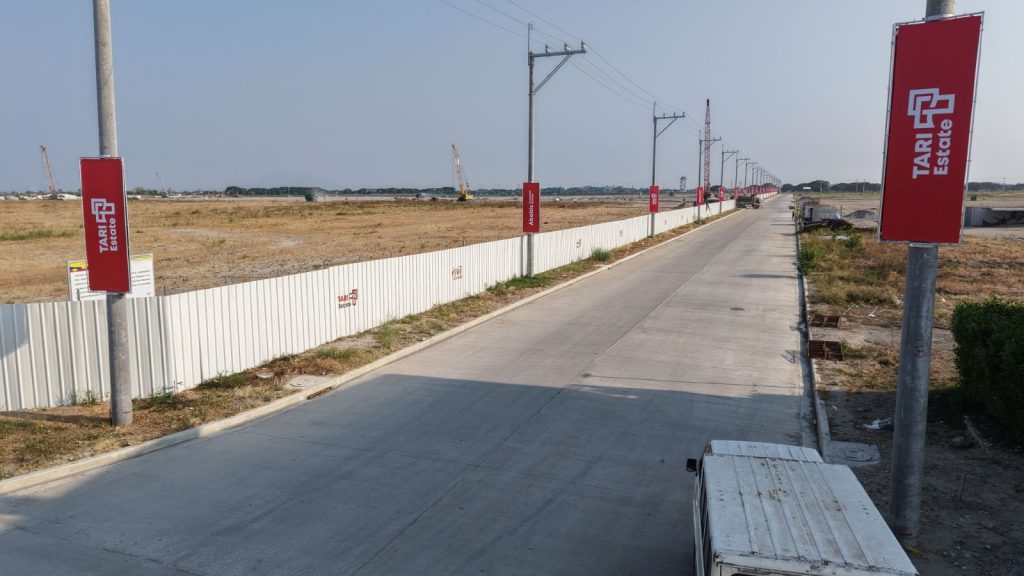
Supporting Long-Term Locator Operations
TARI Estate builds on development principles demonstrated at LIMA Estate in Batangas, where industrial operations, infrastructure, utilities, and workforce ecosystems function within a fully integrated environment.
At TARI Estate, this approach is being applied to support locators through the systems required for long-term site performance. These include access infrastructure, estate management, utilities planning, and coordinated support for government processing and business requirements.
The estate is also supported by integrated capabilities across the broader Aboitiz ecosystem, including solutions for power, water, infrastructure, construction, and banking. For locators, this creates a more streamlined operating environment where critical business requirements are planned alongside the estate’s development.
For prospective locators and investors, early participation in TARI Estate presents an opportunity to establish a presence during the estate’s formative stage, with access to planned infrastructure, scalable industrial space, and future expansion opportunities ahead of broader market maturity.
Building Central Luzon’s Industrial Future
As economic activity continues to expand across Luzon, TARI Estate forms part of a broader effort to strengthen the Philippines’ industrial platform through integrated infrastructure, regional connectivity, and operational readiness.
“Manufacturing investment follows environments where infrastructure, utilities, and logistics can support operations consistently over the long term,” shared Rafael Fernandez de Mesa, President and CEO of Aboitiz Economic Estates and Abotiz Land. “TARI Estate reflects our continued development of fully-integrated developments designed to support manufacturing activity, operational continuity, and long-term expansion in the Philippines.”
At full build-out, TARI Estate is projected to generate over 60,000 jobs, with integrated components such as commercial lots, retail centers, office buildings, residential communities, dormitories, institutional and hospitality zones, and a future transport terminal. Together, these elements are designed to create a complete and connected environment for businesses and people.
Through TARI Estate, Aboitiz Economic Estates continues to expand its footprint into Central Luzon while advancing its role as a developer and operator of smart and sustainable industrial-anchored townships. The estate strengthens the company’s broader portfolio, which includes Mactan Economic Zone 2 Estate and West Cebu Estate in Cebu and LIMA Estate in Batangas.
As economic activity continues to expand across Luzon, TARI Estate forms part of the broader effort to position the Philippines for the next generation of industrial investment through integrated infrastructure, regional connectivity, and operational readiness.