

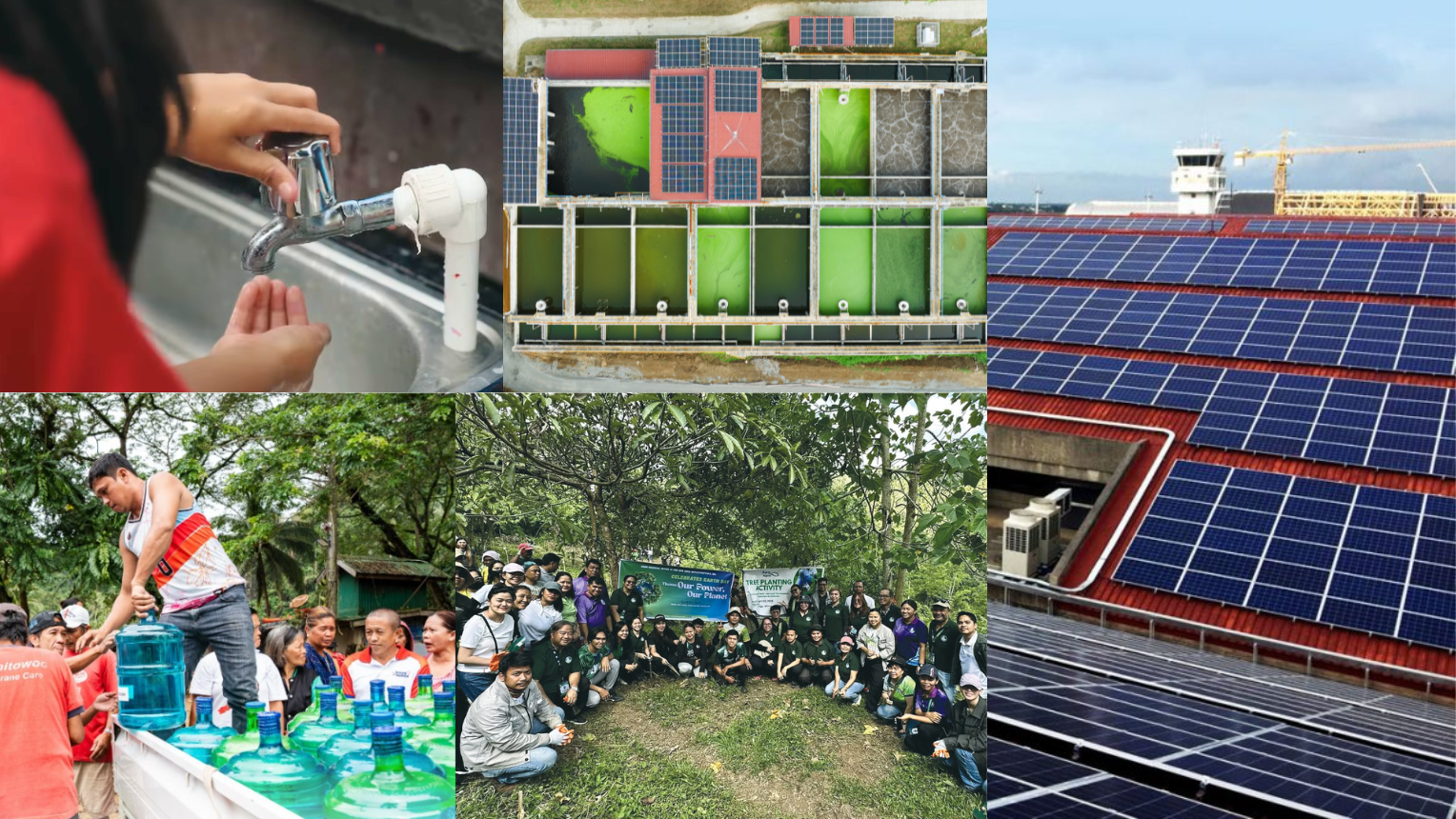
In celebration of Earth Day, Aboitiz InfraCapital (AIC) is highlighting a year of meaningful action across its business units—demonstrating how infrastructure can drive both environmental stewardship and inclusive progress.
Guided by its purpose of building transformative infrastructure ecosystems, AIC continues to deliver initiatives that enable businesses and uplift communities while building forward in a more sustainable way.
“Building forward means creating infrastructure that drives growth while uplifting communities and protecting the environment,” said Cosette V. Canilao, President and CEO of AIC. “Through sustainable water, green airports, and community partnerships, we are focused on delivering long-term impact and ensuring a better future for all.”
Water: Empowering Communities with Sustainable Water
Across its water business, AIC Water continues to empower communities with sustainable water. Through Apo Agua Infrastructura, Inc., the Davao City Bulk Water Supply Project—developed in partnership with the Davao City Water District—delivers over 300 million liters of potable water daily to more than one million Davaoeños, ensuring reliable access for homes, schools, and businesses.
The impact of this project is deeply felt in schools where access to water directly supports health and learning. As shared by Cabantian Elementary School Head Dr. Judy Omapoy:
“Before, limited water access made it difficult for our students to practice proper handwashing and toothbrushing. With the Davao City Bulk Water Supply Project now operational, our facilities have a steady flow of water, allowing for cleaner restrooms, safer classrooms, and more consistent hygiene practices for our students.”

Beyond large-scale infrastructure, Apo Agua also prioritizes the protection of its water source. As the Davao City Bulk Water Supply Projects draws from the Tamugan River, the company actively implements watershed protection initiatives, including reforestation program, micro-climate monitoring, and community engagement efforts.
These efforts include the adoption and rehabilitation of key areas within the watershed, such as 50-hectare Adopt-a-Site project with the Davao City Water District (DCWD,) 1-hectare riverbank restoration initiative with the Department of Environment and Natural Resources (DENR) Region 11 and the Mt. Tipolog Bantay Kinaiyahan Association (MBTKAI) based in Barangay Tawantawan, and a 200-hectare site developed with DENR Region 11 and FARDECO.
Through these initiatives, Apo Agua helps protect biodiversity and ensure the long-term sustainability of the surface water supply for Davao City.
Apo Agua also engaged students in its partner communities through the #AmpinganPaniganTamugan campaign, encouraging young learners to take part in watershed protection initiatives.
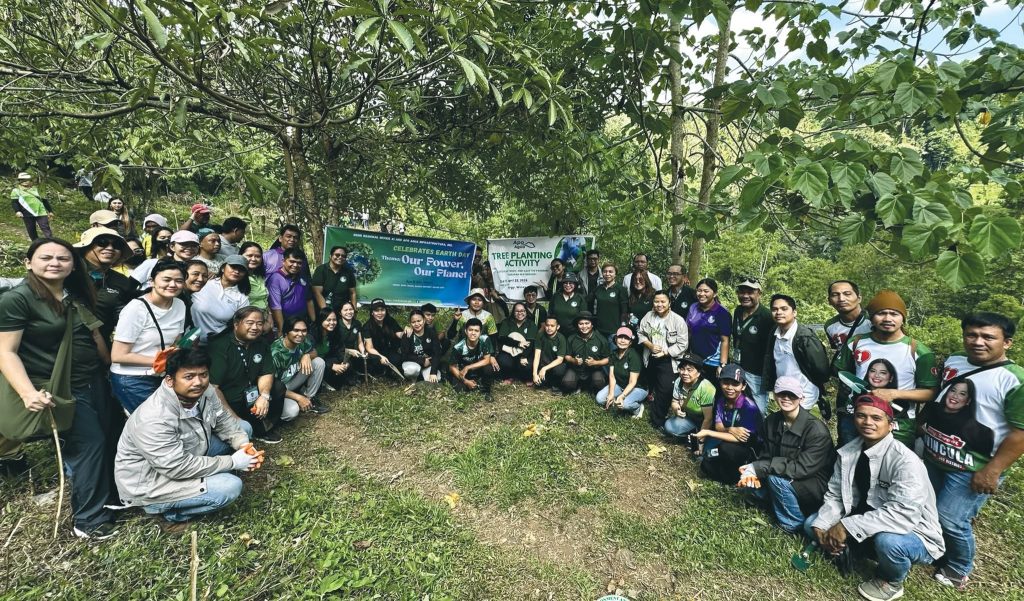
These efforts are part of a broader, year-round commitment to reforestation and environmental stewardship. On Earth Day 2026, Apo Agua hosted a tree-planting activity at its facility grounds in Barangay Wines, Baguio District, in support of the DENR Region XI’s “Our Power, Our Planet” campaign. Over 100 volunteers—including representatives from the Brgy. Wines local government, the Revitalized Pulis sa Barangay, Bantay Bukid ug Tubig and the Mt. Tipolog Bantay Kinaiyahan Association—joined forces to plant Bayok and Molave seedlings. This collaboration contributes to the regional goal of managing natural resources sustainably, ensuring a lush ecosystem that can continue to provide clean, safe water for more than one million Davaoeños.
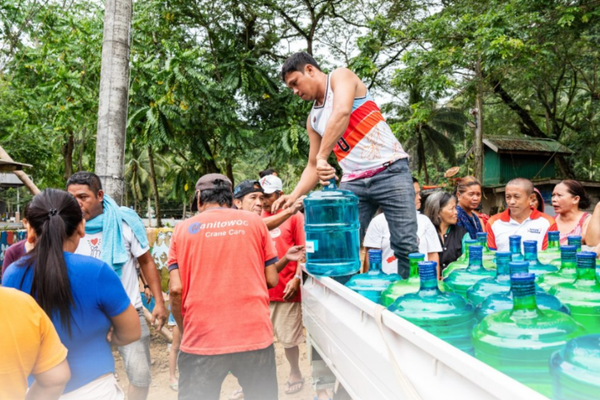
In times of crisis, AIC Water has also served as a reliable partner. Following Typhoon Tino and the Davao Oriental earthquake, over 542,000 combined liters of potable water were delivered to affected communities across Cebu and Davao Oriental. These support essential recovery efforts and reinforce the importance of resilient systems.
LIMA Water: Sustainability in Action
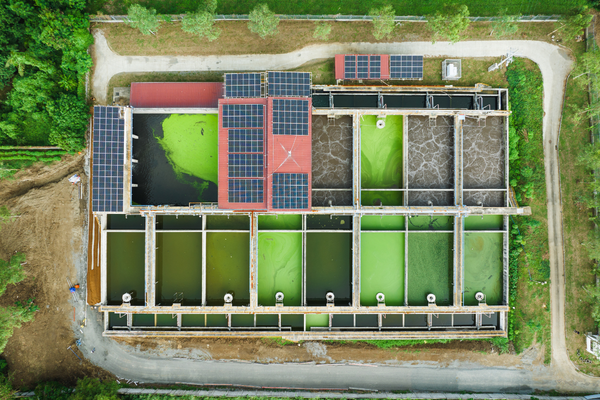
At LIMA Water Corporation, sustainability is embedded in both operations and community programs. Its solar installations, with a combined capacity of 187 kWp, generate clean energy annually to support key facilities while reducing greenhouse gas emissions by an estimated 190 tons each year.
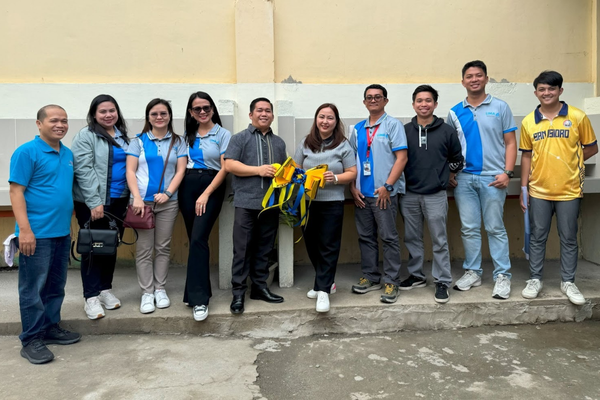
At the community level, LIMA Water turned over a handwashing facility to San Isidro National High School and distributed pocket colorimeters to barangays in Batangas, strengthening hygiene practices and enabling local water quality monitoring.
Collective Environmental Action
AIC’s commitment to environmental stewardship extends across communities. In Iloilo, AIC Water co-presented the 4th International Coastal Cleanup at Villa Beach, bringing together over 3,000 volunteers to collect 7,460 kilograms of waste.
Airports: Building Sustainable Gateways
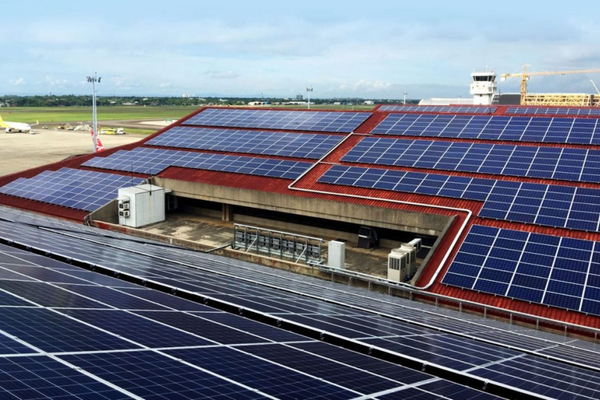
Within its airports business, AIC continues to develop sustainable gateways that enable connectivity while reducing environmental impact. Mactan-Cebu International Airport remains the country’s first and only carbon-certified airport, supported by initiatives such as ECO-Watt, which integrates LED lighting, solar power, and smart building systems, as well as bridge-mounted equipment that reduces aircraft fuel consumption and noise emissions.
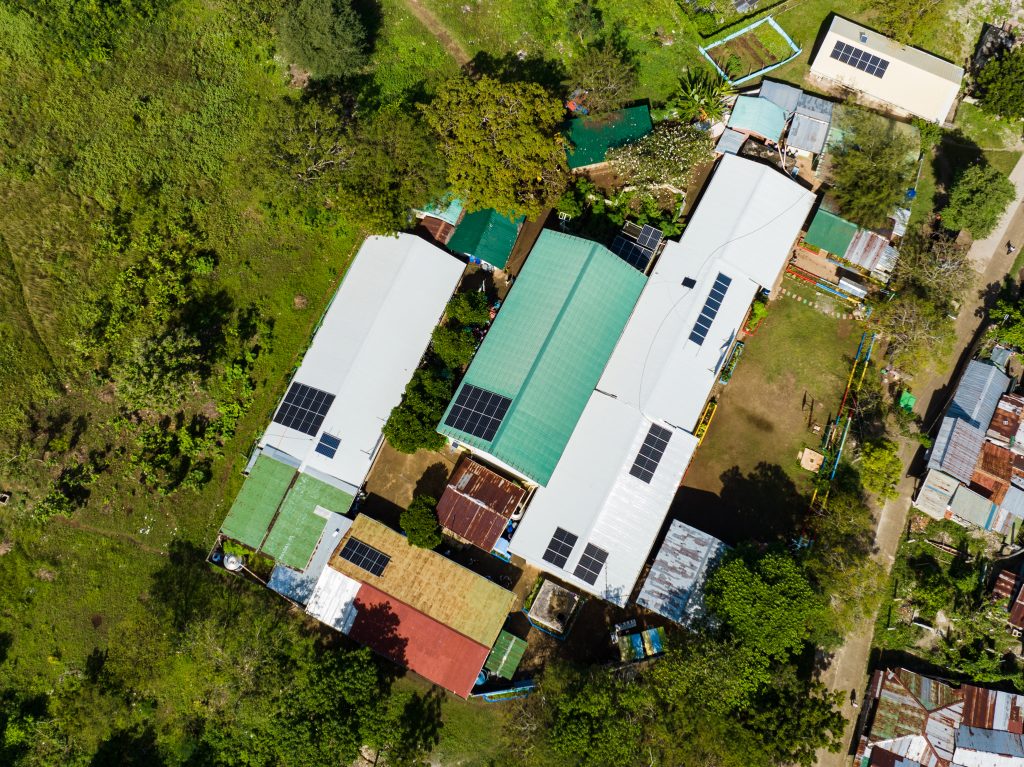
Extending this commitment to its host communities, MCIA champions the Solar Scholars program at Pangan-an Elementary and High School in Lapu-Lapu City. A collaborative initiative with the Aboitiz Foundation’s Aurora PH program and the DepEd Last Mile Schools project, this endeavor brings state-of-the-art solar power systems to the island to provide reliable, off-grid renewable energy. By enabling this transition to clean power, the initiative not only reduces operational costs for the schools but also ensures that students in remote areas have the digital tools and connectivity needed for a quality education.
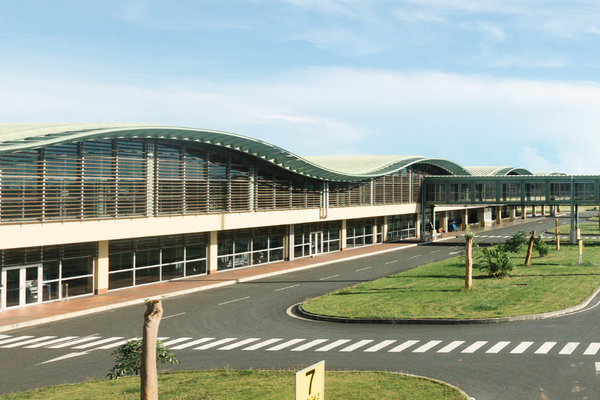
Meanwhile, Bohol-Panglao International Airport stands as the country’s first eco-airport, designed with solar energy systems, natural ventilation, engineered wetland wastewater treatment, and integrated waste management systems—demonstrating a design approach that works in harmony with the environment.
People and Community Engagement
Beyond infrastructure, AIC continues to invest in people-centered initiatives. Through its partnership with the Arnold Janssen Kalinga Foundation, AIC team member volunteers supported the KALINGA Program by serving meals and spending time with underserved individuals—reinforcing that meaningful impact begins with care, connection, and community.

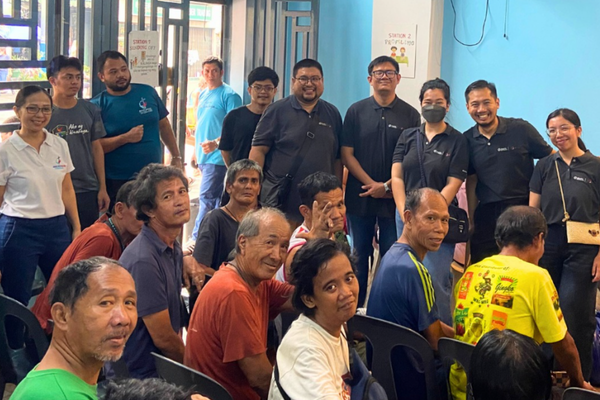
AIC volunteers partner with the Arnold Janssen Kalinga Foundation to support the KALINGA Program, reinforcing our commitment to uplifting communities through care and genuine connection.
As AIC marked Earth Day, these initiatives reflect a unified commitment across its businesses: to build infrastructure that enables growth, protects the environment, and uplifts communities.
Through responsible operations and long-term partnerships, AIC continues building forward—ensuring that today’s progress creates a more sustainable future for generations to come.