

Aboitiz InfraCapital, Inc. (AIC), the infrastructure arm of the Aboitiz Group, and its business units (BUs) are taking decisive action to respond to the ongoing energy emergency, with measures aimed at minimizing disruption for its team members (TMs), stakeholders, and the general public.
Last March 24, 2026, President Ferdinand R. Marcos, Jr. declared a state of national energy emergency in light of the ongoing conflict in the Persian Gulf, and the resulting imminent danger posed upon the availability and stability of the country’s energy supply.
“As fuel prices continue to rise, we at Aboitiz InfraCapital recognize the impact this has on daily commutes and overall expenses. In response, we are introducing initiatives to help ease this burden while ensuring we continue to deliver as one organization,” said AIC President and Chief Executive Officer Cosette V. Canilao.
#OneInfraCapital – Putting Team Members First
For AIC Corporate, as well as AIC Water business units Apo Agua Infrastrutura, Inc. (which, together with the Davao City Water District or DCWD, operates the Davao City Bulk Water Supply Project, the country’s largest bulk water facility) and LIMA Water Corporation (provider of end-to-end water and wastewater services for LIMA Estate in Batangas) – the existing hybrid work arrangement has been adjusted without affecting operations to three days onsite and two days remote.
This is in line with Malacañang’s positive reception of the various work-from-home arrangements proposed by the private sector.
A nearby staffhouse has also been provided for the convenience of LIMA Water Operations TMs.
Standing in Solidarity with Our Stakeholders
In addition to supporting TMs, AIC and its BUs recognize the impact of the energy emergency as well as the ongoing Middle East conflict on key stakeholders, including passengers and suppliers.
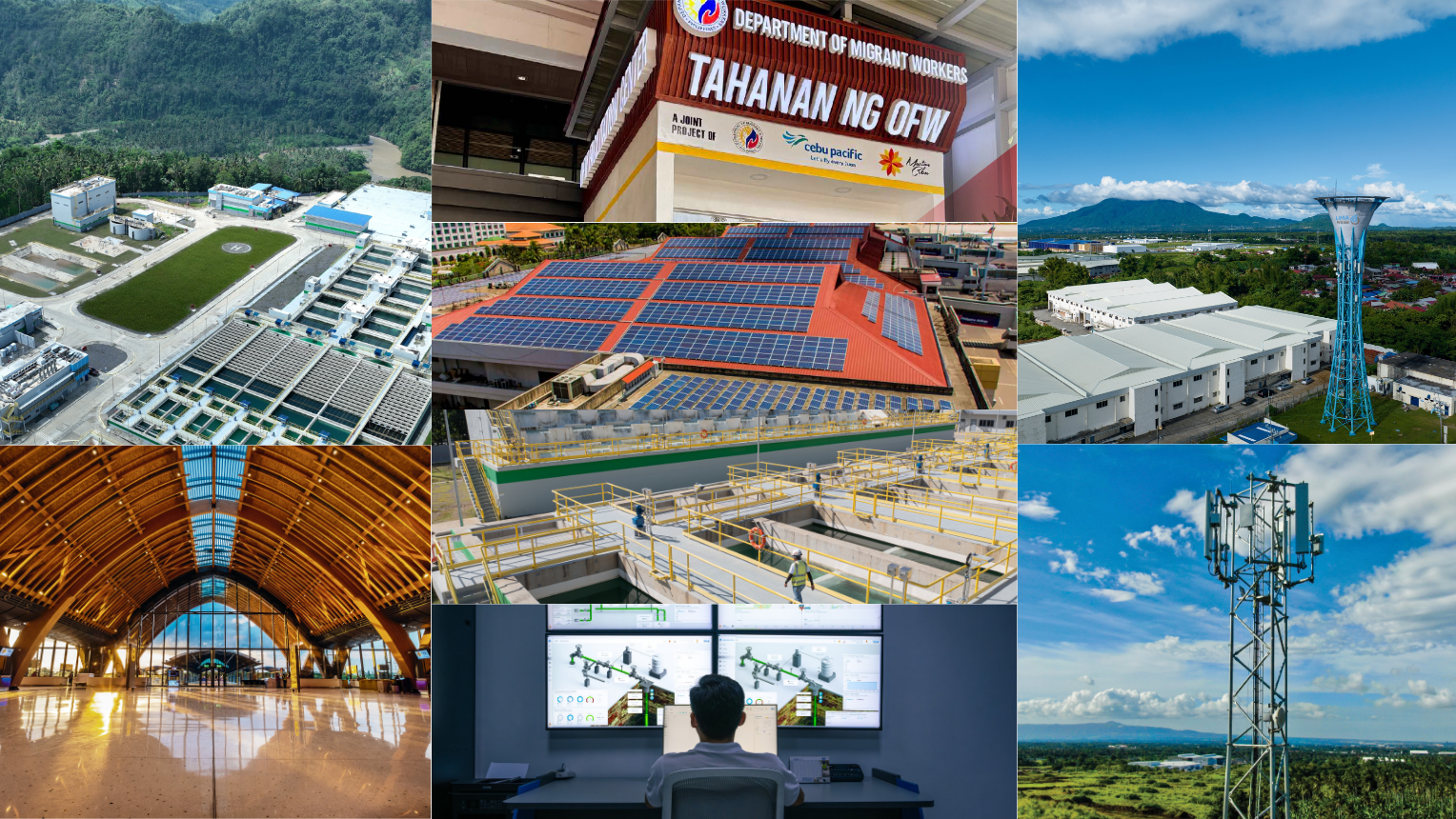
At Mactan-Cebu International Airport (MCIA), the country’s largest gateway outside Manila, efforts to enhance passenger support continue alongside its recently upgraded Level 2 Airport Customer Experience Certification from the Airports Council International. This includes the timely opening of an in-terminal Department of Migrant Workers (DMW) Overseas Filipino Workers (OFW) Facilitation Center.

Located within MCIA’s Terminal 2, and in cooperation with Cebu Pacific Air, the OFW Facilitation Center caters primarily to OFWs returning home after evacuations from the Middle East. It provides on-site assistance and essential support services such as Overseas Employment Certification filing to ensure a smoother and more comfortable arrival experience for the country’s modern-day heroes.
Meanwhile, to better serve out-of-town suppliers and contractors, Apo Agua (whose main office and bulk water facility are located about an hour from downtown Davao City) has fully transitioned to virtual and online transactions, replacing manual check pick-ups.
This shift reduces the need for travel to and from the city center, helping Apo Agua conserve fuel while improving overall transaction efficiency.
Driving Resource Efficiency Groupwide
Beyond immediate support measures, AIC is strengthening energy resilience across its business units through efficient and sustainable operations, minimizing fuel use, and ensuring uninterrupted services.
AIC Corporate and MCIA have both begun promoting responsible energy use their respective Makati City and Lapu-Lapu City headquarters (including the daily shutdown of main lighting and air-conditioning systems at 6 PM) supporting broader national energy conservation efforts, in support of the Department of Energy’s #EnerhiyangMatatagAtMakatao thrust.

Operations-wise, LIMA Water’s Supervisory Control and Data Acquisition system enhances energy efficiency across its facilities by enabling automatic adjustment of equipment based on real-time demand, ensuring optimal energy use and preventing unnecessary consumption.
The system also provides continuous monitoring of power efficiencies, allowing immediate action if needed. In addition, remote monitoring and control reduce on-site interventions, resulting in lower fuel costs and more efficient operations.

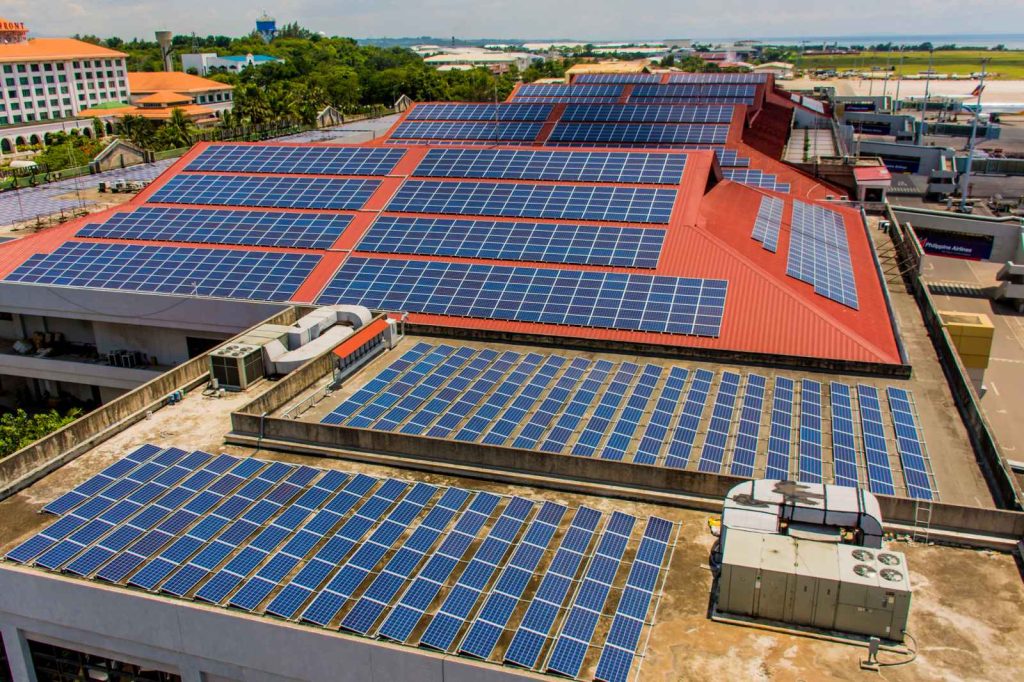
Across AIC Airports, other sustainability initiatives help manage energy use without compromising customer service quality. MCIA harnesses energy from rooftop solar panels, as well as from bridge-mounted equipment that allow aircraft to draw power at boarding gates, reducing emissions and fuel use from auxiliary power units.
The addition of more direct flights to multiple destinations nationwide further lowers overall fuel consumption from connecting travel.
At Bohol-Panglao International Airport (BPI) as well as Laguindingan International Airport (LIA), energy-efficient design and construction maximize natural lighting and ventilation, further reducing operational energy demand.
All three AIC airports—MCIA, BPIA, and LIA—also participated in the 20th #EarthHour2026 last March 28 and darkened passenger terminals for one hour to conserve energy and highlight the importance of climate action. This helped contribute to the overall 145.43-MW load reduced across the Philippines.
Through these initiatives, AIC ensures that critical services remain stable, efficient, and resilient despite the ongoing energy emergency.