

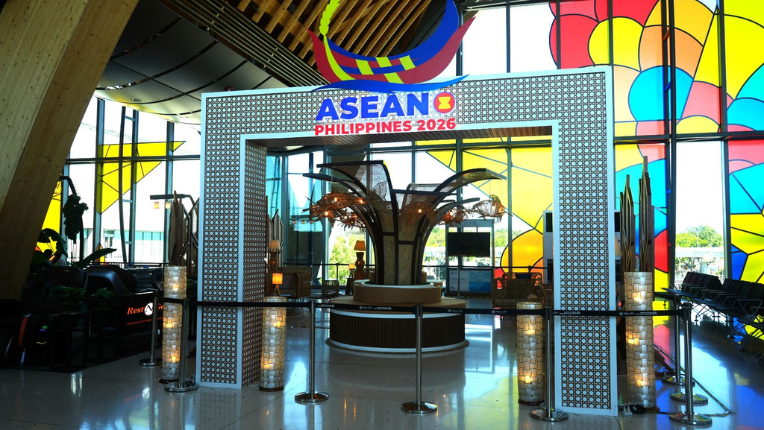
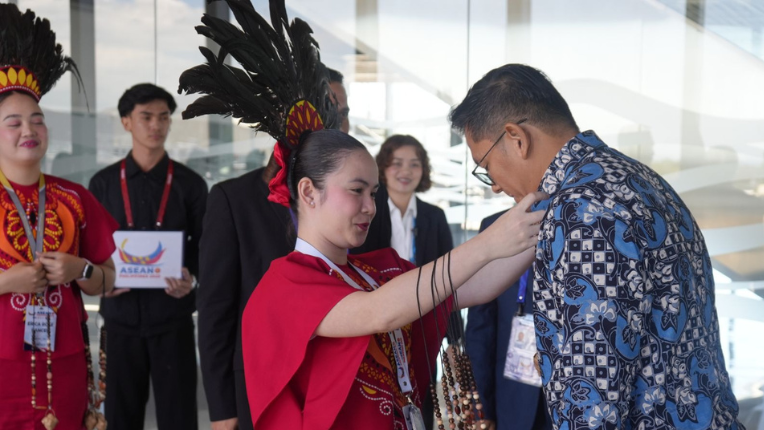
As Cebu welcomed ministers, delegates, and world leaders for activities related to the 48th ASEAN Summit, Mactan-Cebu International Airport served as one of the country’s key gateways—reflecting the extensive coordination, preparation, and collaboration among government agencies, airport authorities, and private sector stakeholders working together to deliver a seamless arrival experience.
Stay updated with Aboitiz InfraCapital Airports—subscribe to our AeroConnect newsletter today. [SIGN UP HERE: https://tinyurl.com/aeroconnect2025]
Preparations at Mactan-Cebu International Airport involved close coordination among the Department of Transportation (DOTr), the Civil Aviation Authority of the Philippines (CAAP), Mactan-Cebu International Airport Authority (MCIAA), the Tourism Infrastructure and Enterprise Zone Authority (TIEZA), the Department of Tourism (DOT), the Office of the First Lady through the Office of the Social Secretary, airport teams, and local partners.
These efforts supported the arrival of several ASEAN leaders and representatives, including Singapore Prime Minister Lawrence Wong, Vietnam representative Le Minh Hung, Timor-Leste Prime Minister Xanana Gusmão, and Myanmar Permanent Secretary Hau Khan Sum, representing Myanmar leadership.
To help prepare the airport for the international engagements surrounding the 48th ASEAN Summit, Aboitiz InfraCapital Cebu Airport Corporation (ACAC), manager of MCIA, worked closely with MCIAA, DOTr, and CAAP to implement infrastructure and operational enhancements across key areas of the terminal and airside facilities. Preparations included ramp repainting works, structural upgrades, passenger flow coordination, and readiness measures designed to ensure smooth arrivals for official delegations and guests.
The coordinated preparations demonstrated how public-private partnerships can help airports respond efficiently to large-scale international events while maintaining high standards of service, operational readiness, and passenger experience.
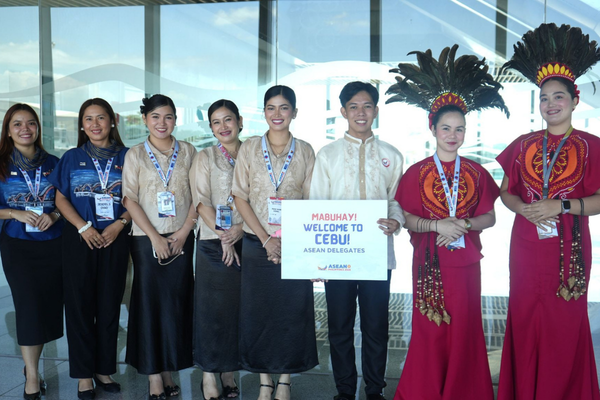
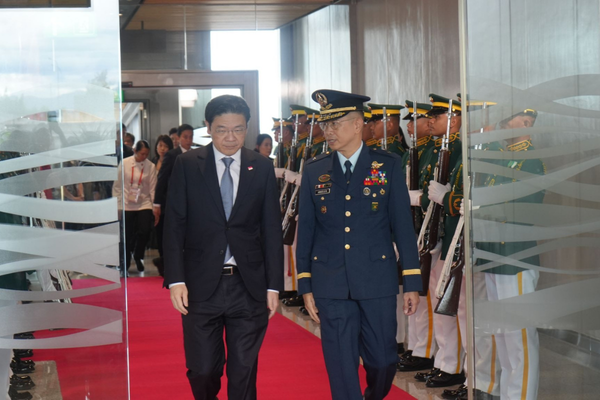
A dedicated reception process was also organized for arriving delegates and ministers. MCIA Personnel Service Assistants (PSAs), together with representatives from the Department of Transportation guided delegates through arrival while ensuring a warm and efficient welcome experience.
The Office of the Social Secretary also worked closely with government agencies, airport stakeholders, and protocol teams to coordinate ceremonial arrangements and arrival requirements for heads of state and official delegations.
CAAP played a central role in coordinating airspace movements, operational clearances, and aviation readiness to support the safe and efficient arrival of official delegations, while MCIAA, as the airport authority, worked closely with DOTr, airport operators, and stakeholders to oversee overall airport preparedness and operational coordination throughout the event.
The collaboration highlighted the importance of alignment between government agencies and private sector operators in delivering seamless gateway operations during major international engagements.
“The successful preparations for these international engagements reflect the value of strong coordination between government agencies, airport authorities, and private sector partners. Through the collaboration of DOTr, CAAP, MCIAA, and MCIA, we were able to deliver an arrival experience that showcased both operational readiness and Filipino hospitality to the region,” said CAAP Director General Retired Lt. Gen. Raul L. Del Rosario.
Adding to the arrival experience were distinctly Filipino cultural touchpoints prepared for the visiting dignitaries and delegates. Live drum beaters, Sinulog dancers, and rondalla performers welcomed guests at the terminal, showcasing Cebuano culture and reinforcing the country’s signature brand of hospitality on the global stage.
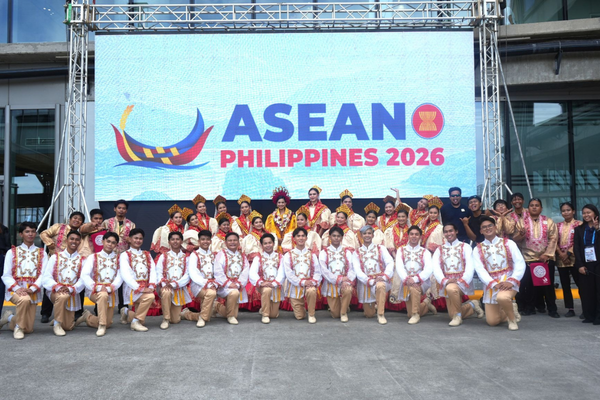
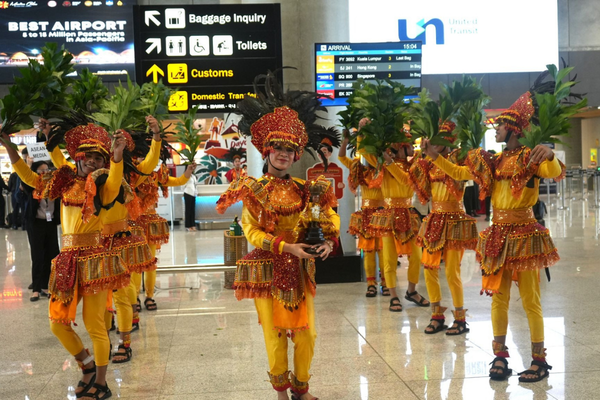
The airport’s VIP Lounge, enhanced through support from Tourism Infrastructure and Enterprise Zone Authority (TIEZA), also served as a reception space for official guests and delegations.
For MCIA General Manager Ricia Montejo, the success of the preparations underscores Cebu’s and MCIA’s absolute readiness in handling high-profile international conventions, complex VVIP logistics, and high-volume operations. It also highlights the critical importance of sustained collaboration between the public and private sectors in delivering a secure, seamless, and globally competitive airport experience.
“Hosting international engagements of this magnitude is a powerful testament to our operational readiness. When government agencies, airport authorities, law enforcement, and private sector partners align under a unified command, we can seamlessly manage the unique security, protocol, and logistical demands of global dignitaries,” Montejo stated. “By integrating world-class infrastructure and rigorous operational efficiency with our signature Filipino warmth, MCIA has proven it is fully equipped to serve as the premier gateway for future global conventions. Cebu is open, highly secure, and strategically prepared to welcome the world.”
Meanwhile, MCIAA General Manager Julius G. Neri, Jr. emphasized the significance of Cebu serving as host to major international engagements.
“We are proud for Cebu to welcome leaders and delegates from across the region. Events like these highlight not only the readiness of our airport ecosystem, but also the hospitality, culture, and capability of Cebu and the Filipino people,” said Neri.
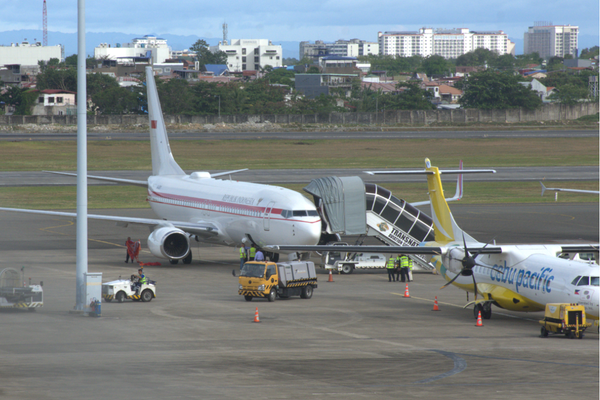
Beyond operational readiness, the successful preparations for the 48th ASEAN Summit at Mactan-Cebu International Airport also underscored how collaboration between government institutions, airport authorities, and private sector operators can create meaningful impact beyond airport operations—supporting tourism, economic activity, international connectivity, and national pride.
Through coordinated efforts led by DOTr, CAAP, MCIAA, tourism stakeholders, and airport partners, Cebu once again demonstrated its capability to welcome the world through a distinctly Filipino brand of service.