

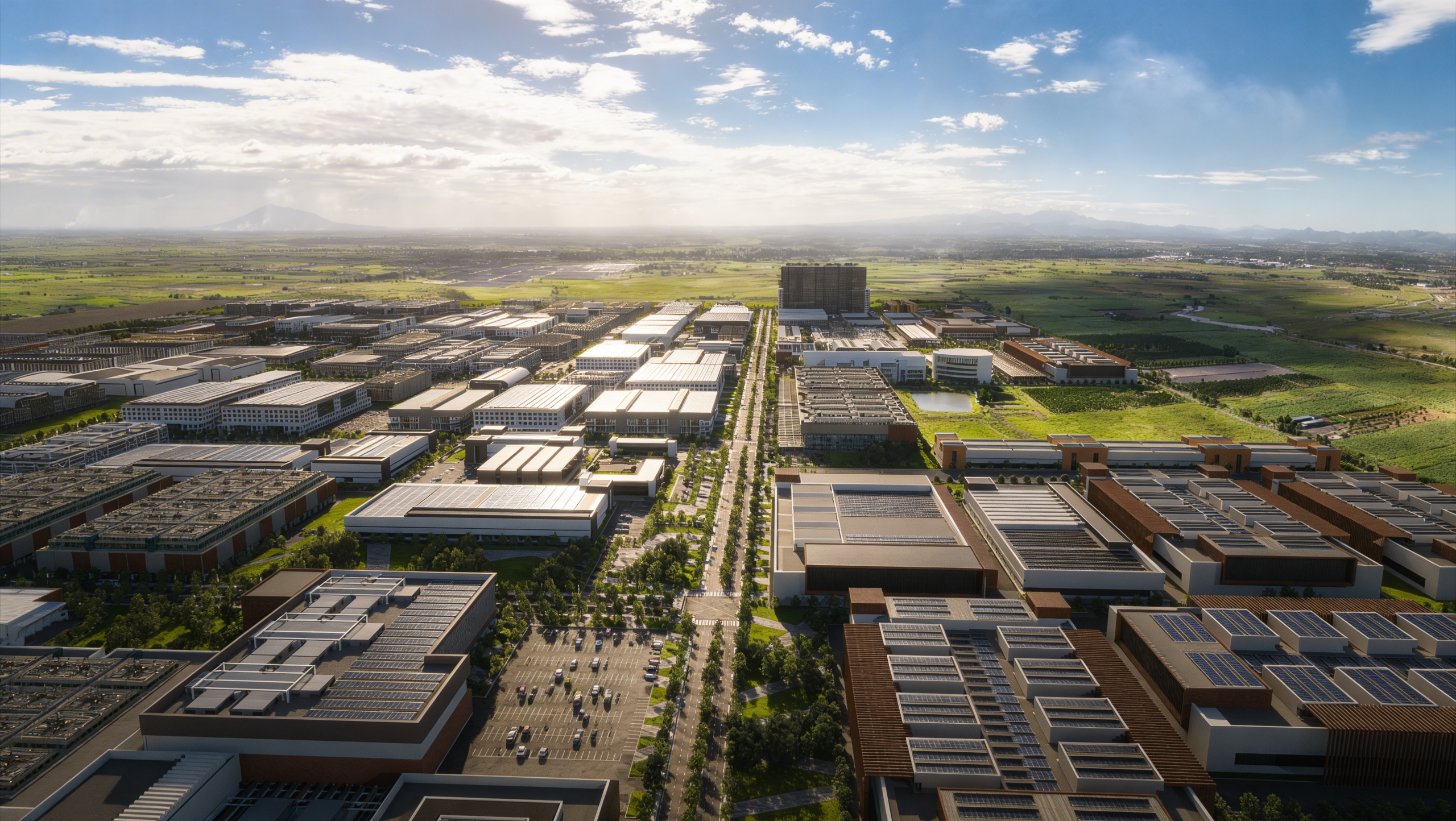
MANILA, Philippines – The Philippines is expected to enter 2027 with improving economic prospects, creating opportunities for industries that support business expansion, manufacturing investment, and long-term economic development.
According to the International Monetary Fund’s (IMF) October 2026 World Economic Outlook, the Philippine economy is projected to accelerate to 5.1% growth in 2027, from 3.4% in 2026. The anticipated recovery is expected to be supported partly by a gradual rebound in investment as business confidence improves and the effects of earlier energy-related disruptions ease.
For the industrial property sector, improving economic conditions could encourage more investors and manufacturers to expand operations, establish new facilities, and strengthen supply chains.
This outlook is reinforced by strategic initiatives such as the Luzon Economic Corridor (LEC), which aims to improve connectivity, mobilize infrastructure investments, and strengthen the Philippines’ position in regional manufacturing and logistics networks.
The initiative gained further momentum with the inaugural LEC Investment Forum in September 2026, which brought together more than 600 investors, industry leaders, and government officials to advance commercial partnerships and infrastructure investment opportunities across the corridor.
Industry developments also point to sustained demand for industrial spaces. In its September 2026 industrial property market report, Colliers identified strong manufacturing demand, improving industrial absorption, and continued expansion in Southern and Central Luzon, particularly among semiconductor, food and beverage, and advanced manufacturing companies.
These developments highlight the importance of having industrial capacity and supporting infrastructure in place as businesses consider their next phase of expansion.
The evolving role of industrial townships
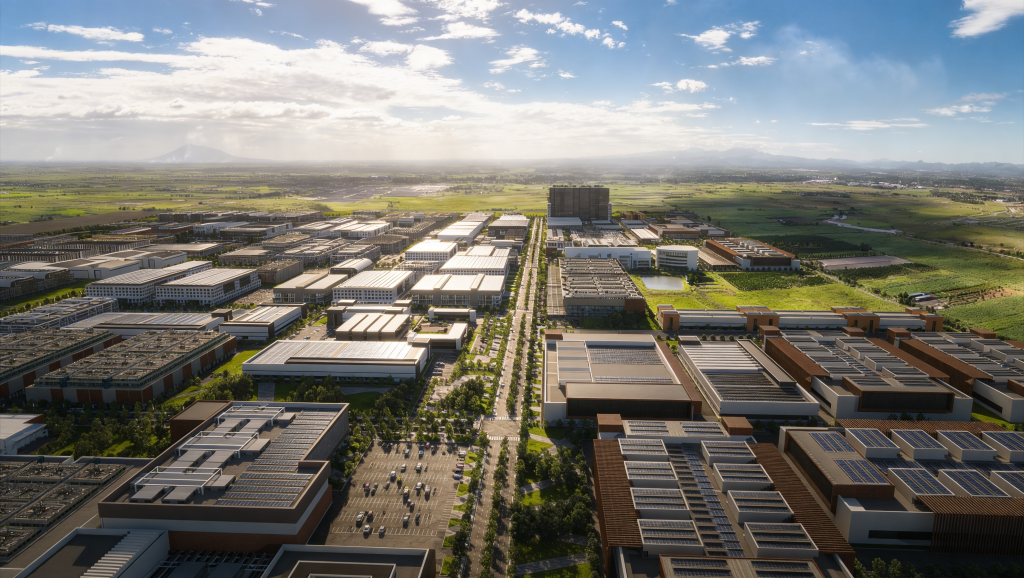
TARI Estate is among Aboitiz Economic Estates’ integrated industrial-anchored townships supporting business and regional growth in Central Luzon.
Industrial developments have traditionally been associated with factories, warehouses, and production facilities. Today, their role is expanding as companies place greater importance on the broader operating environment supporting their investments.
Furthermore, investment decisions have increasingly placed greater importance on access to transport networks, reliable utilities, skilled workers, and services that allow businesses to establish and expand operations efficiently.
These requirements have contributed to the growing role of integrated industrial townships. By bringing these components together, industrial estates can help address operational requirements while supporting employment, business activity, and community development in their surrounding regions.
For more than three decades, Aboitiz Economic Estates has developed and operated industrial estates in the Philippines. Its industry-anchored township model integrates industrial infrastructure with utilities, commercial spaces, institutional partnerships, and services designed to support locators throughout their operations.
Its flagship development, the 1,100-hectare LIMA Estate in Lipa-Malvar, Batangas, illustrates how this model has evolved.
Home to more than 200 industrial locators and approximately 75,000 workers, LIMA Estate combines an established manufacturing base with infrastructure and services that support both industrial operations and the broader workforce.
Through LIMA EnerZone and LIMA Water, locators have access to dedicated power and water services, complemented by estate management and operational support. These capabilities form part of Aboitiz Economic Estates’ solutions-provider approach, addressing business requirements beyond the provision of industrial land.
The estate also incorporates a growing commercial and institutional district, including Biz Hub at LIMA Estate, The Outlets at LIMA Estate, office developments, and other facilities supporting the daily needs of businesses and employees.
Workforce development is another component of this ecosystem. The Batangas State University–LIMA campus, which welcomed its first students in 2026, strengthens connections between industry and education, supporting the development of skills aligned with the requirements of manufacturers operating within the estate.
Together, these components demonstrate how industrial development can generate economic activity beyond manufacturing facilities, supporting employment, commercial activity, and long-term regional growth.
Aboitiz Economic Estates is applying this operating experience at TARI Estate, its 384-hectare industrial-anchored township in Tarlac City, Central Luzon.
Strategically located approximately three kilometers from the SCTEX Luisita Exit, with access to major expressways and regional logistics gateways, TARI Estate is being developed to accommodate new manufacturing investments in one of Luzon’s emerging industrial growth areas.
The estate has attracted manufacturing investors including Ajinomoto and Coca-Cola Europacific Aboitiz Philippines, with industrial infrastructure development advancing alongside locator facility construction.
Road networks, drainage and sewer systems, and water distribution infrastructure are being developed to support industrial operations. Dedicated utility services through TARI EnerZone and TARI Water are also part of the estate’s integrated infrastructure strategy, extending the solutions-provider capabilities established at LIMA Estate.
TARI Estate’s long-term master plan incorporates commercial, institutional, and workforce-supporting developments intended to serve businesses and the communities that will grow around them.
At full development, the estate is projected to generate approximately 60,000 jobs, contributing to Central Luzon’s expanding industrial base.
Together, LIMA Estate and TARI Estate demonstrate how established and emerging industrial developments can contribute to the investment capacity of the Luzon Economic Corridor. LIMA provides a mature industrial ecosystem in Southern Luzon, while TARI is developing additional manufacturing capacity in Central Luzon.
The company’s portfolio also includes Mactan Economic Zone 2 in Lapu-Lapu City and West Cebu Estate in Balamban, extending its industrial development and operating capabilities to the Visayas.
Cautious optimism
While economic forecasts provide an encouraging outlook, sustained growth will depend on how effectively businesses, developers, and the public sector respond to emerging opportunities.
For the industrial sector, this means that opportunities arising from economic recovery must be supported by continued investment in infrastructure, utilities, workforce development, and services that help businesses operate efficiently.
The country’s economic outlook presents opportunities for continued industrial expansion. Realizing these opportunities will require coordinated public- and private-sector efforts to strengthen investment readiness and develop the infrastructure and capabilities needed to support long-term manufacturing activity.
For Aboitiz Economic Estates, this underscores the role of industry-anchored townships in providing the operating environments through which investments can translate into businesses, jobs, and sustained regional economic development.