

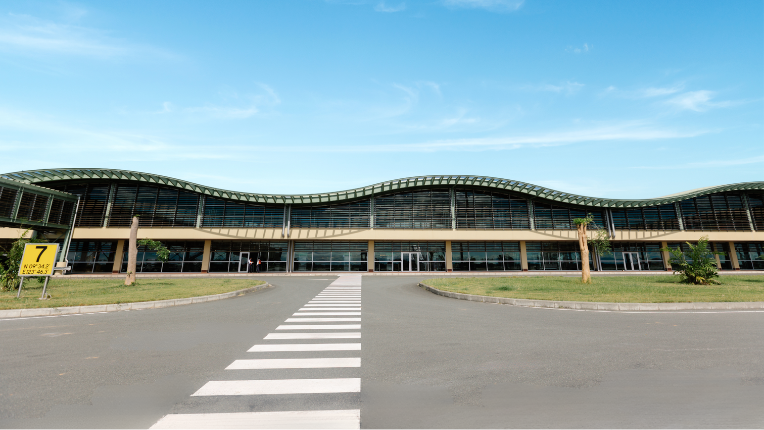
Designed with sustainability at its core, Bohol-Panglao International Airport stands as a model of environmentally conscious infrastructure and a gateway to the natural beauty of Bohol.
BOHOL, Philippines — As the world marked World Environment Day last June 5, Bohol-Panglao International Airport (BPIA) stands as a testament to how sustainability and connectivity can work hand in hand to support travelers, communities, and economic growth.
Developed through the leadership of the Department of Transportation (DOTr), the Civil Aviation Authority of the Philippines (CAAP), and national government partners, BPIA opened in 2018 as the country’s first eco-airport. Designed with environmental stewardship at its core, the airport continues to demonstrate how modern aviation infrastructure can support growing tourism demand while incorporating sustainable features that reduce its environmental footprint.
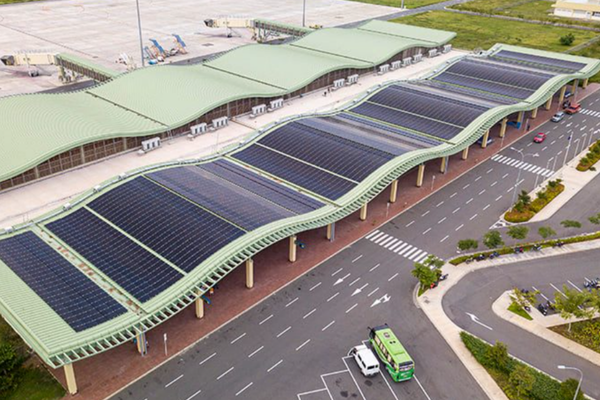
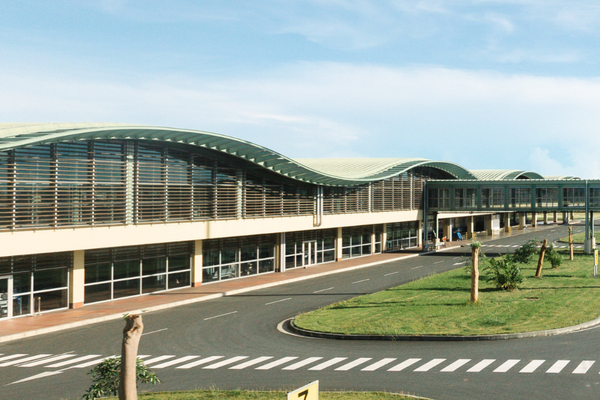
Among its sustainability features are roof-mounted solar panels that help supply a portion of the airport’s energy requirements, solar-powered water heating systems, and a terminal designed to maximize natural light and ventilation to reduce energy consumption.
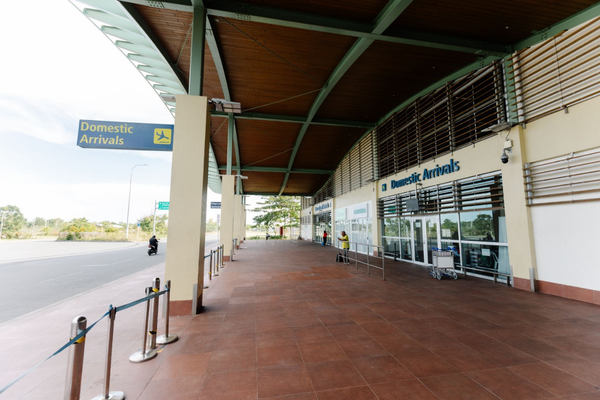
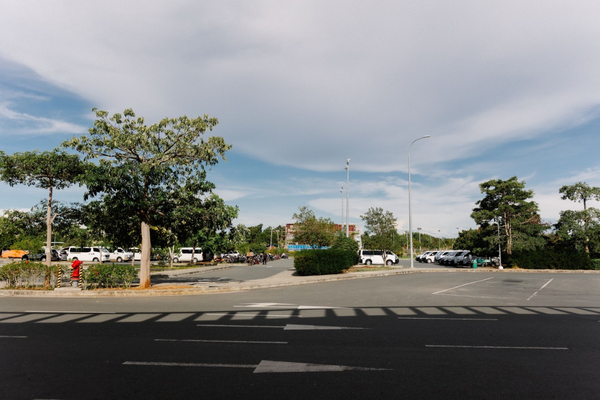
The airport’s environmental design extends beyond energy efficiency. Its 11-hectare property features approximately 1,700 trees and extensive landscaping that contribute to a greener airport environment while complementing Bohol’s natural surroundings. During construction, measures were also implemented to help protect nearby marine and coastal ecosystems.
For Bohol-Panglao International Airport General Manager Aldwin C. Uy, the airport’s sustainability story reflects the long-term vision behind its development and the collective effort required to sustain it, “Bohol-Panglao International Airport was envisioned as more than just a gateway—it was designed to demonstrate how sustainability can be integrated into critical infrastructure from the very beginning. As we mark World Environment Day, we recognize the strong foundation established by our government partners and remain committed to ensuring that this eco-airport continues to deliver meaningful benefits for travelers, communities, and the province of Bohol.”
Beyond its environmental features, BPIA plays a vital role in supporting tourism and regional development. As the primary gateway to Bohol, the airport connects visitors to the province’s natural attractions, cultural destinations, and local enterprises, helping generate economic opportunities for communities across the island.
Today, Aboitiz InfraCapital Bohol Airport Corporation (ABAC), through its operations and maintenance partnership, works closely with CAAP, DOTr, and local stakeholders to help ensure that the airport continues to deliver on the vision upon which it was built.
“Bohol-Panglao International Airport remains an important example of how sustainability and aviation development can advance together. The airport’s eco-friendly design reflects a long-term commitment to responsible infrastructure, and through continued collaboration among stakeholders, its benefits can continue to support the traveling public, local communities, and the country’s broader tourism and connectivity goals,” said CAAP Director General Retired Lt. Gen. Raul L. Del Rosario.
The continued partnership among government agencies, local stakeholders, and the airport operator demonstrates how public-private collaboration can help maximize the value of critical infrastructure investments. By sustaining the environmental principles embedded in the airport’s design while supporting efficient operations, BPIA continues to contribute to national goals for tourism, connectivity, and regional development.
As Bohol continues to welcome visitors from around the Philippines and the world, BPIA remains a model of how thoughtful infrastructure, environmental stewardship, and strong partnerships can create lasting benefits for both people and the places they visit.
This World Environment Day, Bohol-Panglao International Airport highlights how collaboration between government and the private sector can help preserve and maximize the benefits of sustainable infrastructure—creating lasting value for travelers, communities, and future generations.